


Aircon Heating in Winter: Year-Round Comfort Guide
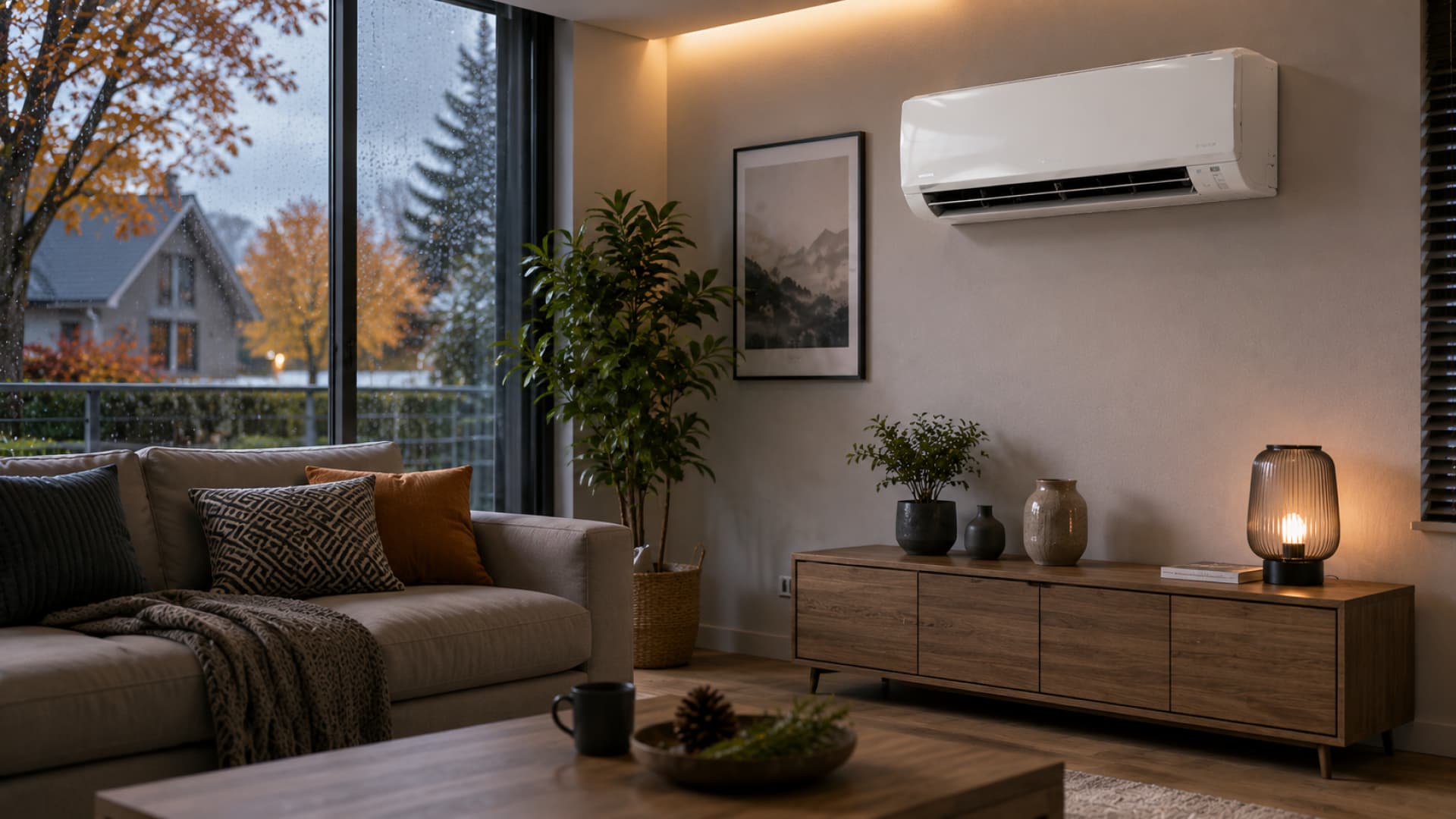
Aircon Heating in Winter: Year-Round Comfort Guide
An aircon is not only a summer cooling appliance. A correctly sized inverter aircon can heat a cold bedroom, lounge, office or open-plan area in winter, then switch back to efficient cooling when summer arrives.
This guide explains how aircon heating works, why South Africans use inverter aircons for year-round comfort, how they compare with electric and gas heaters, and what to check before buying one for winter use.
Why Aircons Make Sense for Year-Round Comfort
South African homes often deal with both extremes: hot summer afternoons and cold winter mornings. A heater solves only one season. A cooling-only unit solves only the other. A reverse-cycle inverter aircon can solve both.
That is the main reason aircons are becoming more popular as winter purchases. Instead of buying a plug-in heater for winter and then shopping again when the first summer heatwave arrives, one properly selected aircon can support the room throughout the year.
A year-round aircon is especially useful for:
- Bedrooms that are too cold in winter and too hot in summer
- Lounges and open-plan areas used every day
- Home offices where steady temperature matters
- Small businesses, reception areas, clinics and salons
- Coastal homes where humidity and comfort are both concerns
- Highveld homes where dry winter mornings and hot summers are common
The key phrase is properly selected. Not every aircon has heating mode, and not every unit is the right size for the room. Before buying, confirm that the model offers heating and cooling, then check the correct BTU size for the space.
How an Aircon Heats a Room
A heating-capable aircon uses heat pump technology. In cooling mode, it removes heat from the indoor room and moves it outside. In heating mode, it reverses the process and moves heat from the outdoor air into the room.
That can sound strange because winter air already feels cold. But even cool outdoor air still contains heat energy. A heat pump extracts that heat, compresses it, and releases it indoors.
This is different from a basic electric heater. A fan heater, bar heater or oil heater creates heat directly through an electrical element. An aircon heat pump uses electricity mainly to move heat. That is why a good inverter aircon can be a more efficient choice for regular heating.
The inverter part also matters. A fixed-speed unit switches the compressor fully on and off. An inverter unit adjusts compressor speed as the room approaches the set temperature. Once the room is comfortable, it can run at a lower output to maintain the temperature more steadily.
Aircon Heating vs Electric and Gas Heaters
Different heating options suit different situations. The right choice depends on how often you heat the room, the room size, ventilation, safety and whether you also need cooling in summer.
| Heating option | Best for | Watch out for |
|---|---|---|
| Inverter aircon | Regular heating in bedrooms, lounges, offices and daily-use rooms | Higher upfront cost and professional installation required |
| Electric fan heater | Short bursts of heat in a small space | High running cost during long use and exposed hot elements |
| Oil heater | Gradual heating in smaller rooms | Slow warm-up and can be expensive if used for many hours |
| Gas heater | Backup heat during outages or where electricity is limited | Requires safe ventilation and correct cylinder handling |
| Underfloor heating | Renovations or built-in comfort | Higher installation planning and running-cost considerations |
For occasional use, a small heater may be enough. For daily winter comfort in the same room, an inverter aircon often makes more sense because it gives you heating, cooling and temperature control in one system.
Why Inverter Aircons Can Cost Less to Run
Running cost depends on the room, the unit, the setting and how long you use it. A badly sized aircon can still waste electricity. But when correctly sized and installed, an inverter aircon is usually better suited to longer heating sessions than a plug-in resistance heater.
There are three reasons:
- It moves heat instead of creating all heat directly. That gives it an efficiency advantage over resistance heating.
- It reduces output once the room is comfortable. This avoids the repeated full-power cycling of older fixed-speed systems.
- It controls the full room more evenly. A well-positioned indoor unit distributes warm air instead of heating only the space directly around the heater.
Settings still matter. In winter heating mode, a target of around 20°C to 22°C is a sensible comfort range for many South African homes. Pushing the setting much higher can increase electricity use and may make the room feel dry or stuffy.
Safety and Comfort Benefits
Aircons are often preferred for winter heating because they avoid some of the practical issues linked with portable heaters.
A wall-split aircon has no open flame, no gas cylinder inside the room and no glowing element close to bedding, curtains or furniture. That does not mean it is risk-free. It still needs correct electrical work, proper installation and regular servicing. But once installed, it is a cleaner and more controlled heating option for many bedrooms and living areas.
Comfort is another benefit. An aircon can warm the room before you wake up, maintain a steady temperature while you work, and use sleep or timer functions at night. Many models also allow fan speed, louvre direction and temperature control, so you can avoid harsh hot spots.
If the unit includes filtration, it can also help reduce dust moving through the indoor air while it runs. Filters are not a replacement for medical-grade air purification, but they do help trap visible dust and larger particles. Clean the filters regularly, especially in dusty areas or homes with pets.
Aircon Heating for Bedrooms
Bedrooms are one of the strongest use cases for inverter aircon heating. A plug-in heater can make a small area warm quickly, but it can also create dry, uneven heat and safety concerns if used too close to bedding.
A correctly sized inverter wall-split can warm the full room more evenly and then maintain the temperature quietly. For bedrooms, focus on:
- Correct BTU size
- Low indoor noise level
- Sleep mode
- Timer function
- Airflow direction that does not blow directly onto the bed
- Professional installation
- Easy filter access
Do not oversize the unit just because you want fast heating. Oversizing can cause short cycling and uneven comfort. The better approach is to size the room correctly and install the indoor unit in the right position.
Use the BTU Calculator before choosing a bedroom aircon.
Aircon Heating for Lounges and Open-Plan Areas
Lounges and open-plan spaces need more care because the aircon may be heating more than the measured floor area. A lounge connected to a dining room, kitchen, passage or staircase can lose warm air quickly.
Before choosing a unit, check:
- Total room size in square metres
- Ceiling height
- Large glass doors or windows
- Afternoon sun in summer
- Open-plan connections
- Number of people usually in the room
- Whether doors can close while the unit runs
- Outdoor unit placement and airflow
For open-plan areas, it may be better to use one larger system, multiple indoor units or a professional assessment rather than guessing from floor area alone. A lounge that is undersized in winter will also struggle in summer.
Winter Buying Advantages
Winter can be a smart time to buy an aircon because you get immediate heating benefit and prepare before summer demand rises.
The main advantages are:
- You can solve a winter heating problem now.
- You are ready before the first summer heatwave.
- You may have more time to compare brands and BTU sizes.
- Installation planning is usually less rushed than peak summer.
- You can test both heating and cooling modes before relying on the unit heavily.
This does not mean winter always guarantees lower pricing or instant installation availability. Stock, specials and installer schedules can change. The real advantage is planning. You are not buying in a panic when everyone else suddenly needs cooling.
What About Load Shedding and Backup Power?
Load shedding has eased compared with the worst periods South Africans experienced, but backup planning still matters for many homes. An inverter aircon can run during an outage only if it is connected to a correctly sized inverter and battery system.
Do not assume a backup system can handle an aircon. Aircons draw more power than lights, Wi-Fi or laptops, and they must be matched to the inverter capacity, battery size and other loads running at the same time.
If you want to run an aircon from solar or battery backup, confirm:
- The aircon power input
- Startup and running load
- Inverter capacity
- Battery capacity
- Other appliances on the same backup circuit
- Whether the system is wired to support that room
For many homes, it is better to keep essentials on backup and use the aircon mainly when grid power or solar production is available. Larger hybrid systems can support selected aircon use, but they need deliberate design.
Choosing the Right Aircon for Winter Heating
Before buying, work through the basics in this order.
1. Confirm it has heating mode
Not every aircon heats. Look for reverse-cycle or heat pump functionality. Product pages often list cooling and heating capacity separately.
2. Choose the correct BTU size
Room size is the starting point, but not the whole answer. Adjust for insulation, window size, ceiling height, sun exposure, room layout and how many people use the space.
3. Choose inverter for regular use
If the aircon will run often, inverter technology is usually the better choice. It gives steadier temperature control, quieter operation and better long-run efficiency than older fixed-speed systems.
4. Plan the indoor and outdoor unit positions
The indoor unit should move air across the room without blowing directly onto people. The outdoor unit needs airflow, drainage and safe access for maintenance.
5. Check maintenance requirements
Clean filters regularly and book a professional service at least once a year. A dirty aircon heats and cools less efficiently and is more likely to smell, leak or fail during heavy use.
When an Aircon Is Not the Right Winter Heating Choice
An aircon is not always the best answer.
A plug-in heater may be fine if you need heat for a few minutes in a tiny room. A gas heater may be useful as outage backup if used safely with ventilation. Underfloor heating may make sense in a new build or major renovation. A larger HVAC solution may be needed for commercial buildings, large open spaces or multi-room zones.
Do not choose an aircon only because it is popular. Choose it because the room, usage pattern, installation conditions and long-term comfort need make sense.
Final Checklist Before You Buy
Before choosing an aircon for winter and summer, confirm:
- The unit has both heating and cooling mode
- The BTU size suits the room
- The room can be closed off or managed properly
- The unit is inverter if used regularly
- Indoor noise level suits the room
- Installation is included, optional or quoted separately
- Electrical requirements are understood
- Outdoor unit position is practical
- Filter access and servicing are easy
- Warranty terms and installer requirements are clear
If you are unsure, start with sizing. Use the BTU Calculator, then browse air conditioners at AC Direct.
Internal Links
- Use the BTU Calculator
- What size aircon do I need?
- Inverter vs non-inverter aircons
- Where should you install an aircon?
- Staying cool in the South African heat
- Aircon maintenance checklist
- Browse air conditioners
FAQ: Aircon Heating in South Africa
Can an aircon heat a room in winter?
Yes, many modern aircons can heat a room in winter if they have reverse-cycle or heat pump functionality. They work by moving heat from outside air into the room, rather than creating all heat through an exposed electrical element. Always confirm that the model you are buying includes heating mode, because not every aircon does.
Is it cheaper to heat with an inverter aircon than an electric heater?
An inverter aircon is often cheaper to run for regular heating because it uses heat pump technology to move heat instead of relying only on resistance heating. Actual running cost still depends on room size, insulation, set temperature, usage hours and the specific model. For occasional short bursts of heat, a small electric heater may still be convenient.
What temperature should I set my aircon to in winter?
A winter heating setting of around 20°C to 22°C is a sensible comfort range for many South African homes. Higher settings use more electricity and can make the room feel dry or stuffy. Use sleep mode, timer settings or lower fan speeds in bedrooms to maintain comfort without overheating the room.
Is an aircon safe for winter heating?
A professionally installed wall-split aircon is generally a controlled and practical heating option because it has no open flame or exposed hot element in the room. It still needs correct electrical installation, regular servicing and clean filters. Do not ignore fault codes, burning smells, water leaks or tripping power.
Does an aircon improve indoor air quality while heating?
An aircon can help filter some dust and airborne particles while it circulates air, depending on the unit and filter type. It is not a replacement for a dedicated air purifier or medical filtration, but clean filters do improve airflow and comfort. Wash or clean removable filters regularly during winter use.
Is winter a good time to buy an aircon?
Yes, winter can be a good time to buy an aircon because you get heating immediately and prepare before summer demand increases. It also gives you time to check room size, compare inverter models and plan installation properly. Pricing and stock vary, so treat winter buying as a planning advantage rather than a guaranteed discount.
Can an inverter aircon run during load shedding?
An inverter aircon can run during load shedding only if it is connected to a correctly sized inverter and battery system. The backup system must handle the aircon's running load plus any other appliances used at the same time. Always confirm the load before assuming an aircon can run on backup power.
Help Article: Aircon Heating vs Electric Heater
Short-form guide | 3 min read | Category: Product Help → Buying Guides
An inverter aircon and an electric heater can both warm a room, but they work differently.
An electric heater creates heat directly through a hot element. It is cheap to buy and useful for quick, occasional heating in a small space. The downside is that long daily use can become expensive, especially in bedrooms, lounges and home offices.
An inverter aircon uses heat pump technology. It moves heat from outside air into the room and then reduces output once the room reaches the set temperature. This makes it better suited to regular winter heating and gives you summer cooling from the same unit.
| Choose this | If you need |
|---|---|
| Electric heater | Occasional short-term heating in a small room |
| Gas heater | Backup heat during outages, with safe ventilation |
| Inverter aircon | Efficient regular heating plus summer cooling |
| Underfloor heating | Built-in comfort during renovation or new build |
Before choosing an aircon for winter heating, confirm the room size, insulation, ceiling height and installation position. A correctly sized unit will heat more comfortably than a poorly matched one.
Related: Full winter aircon guide | Use the BTU Calculator | Browse air conditioners