


Alliance Comfee Aircon Range: Inverter vs Non-Inverter
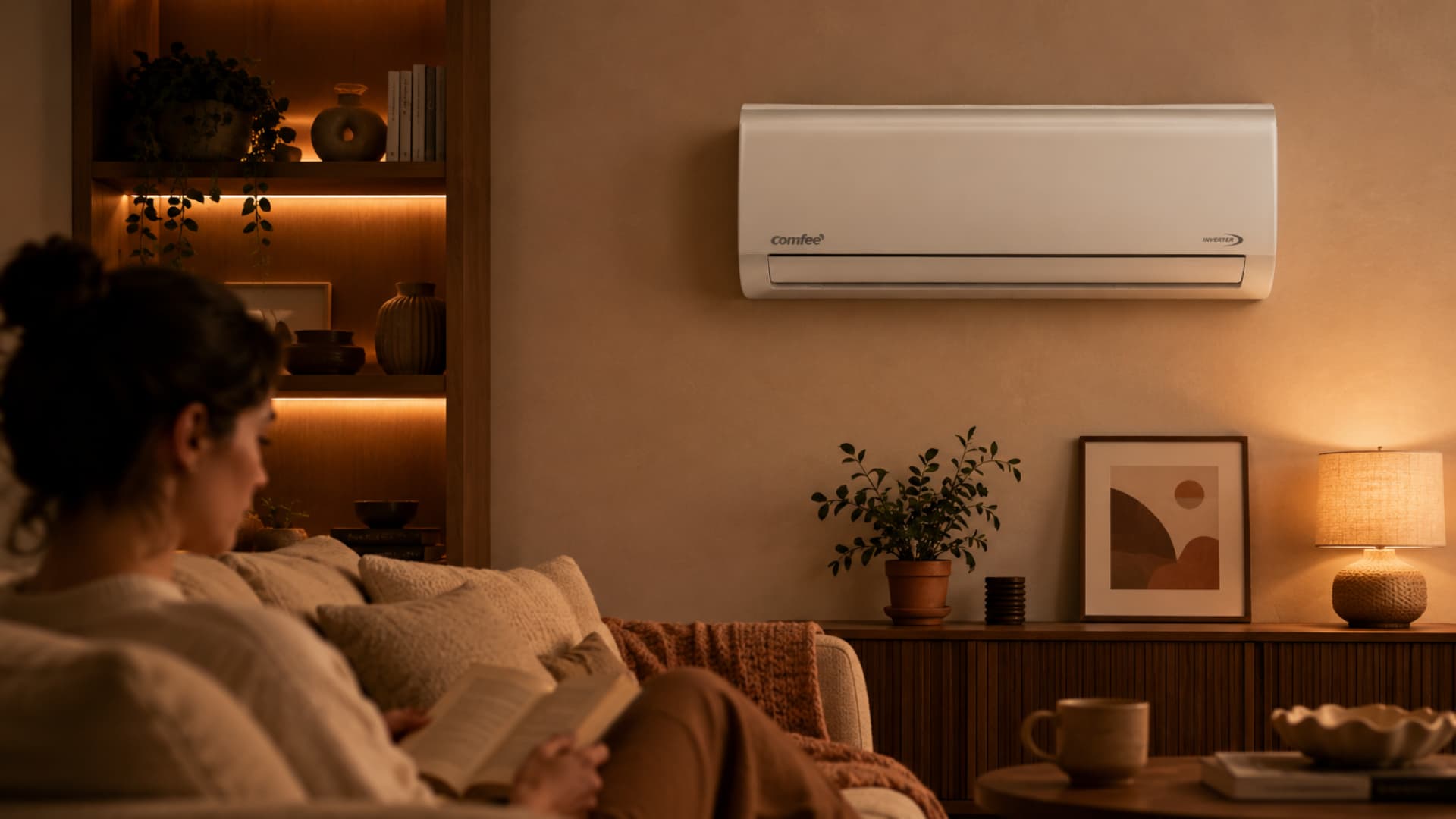
Alliance Comfee Aircon Range: Inverter vs Non-Inverter
The Alliance Comfee aircon range is built for buyers who want reliable cooling without overcomplicating the decision. The range includes inverter and non-inverter wall-split options, which means you can choose between better long-term efficiency or a lower upfront purchase price.
This guide explains how the range fits into South African homes and offices, when an inverter model makes sense, when a non-inverter model is still a practical choice, and what features to compare before buying.
What Is the Alliance Comfee Aircon Range?
Alliance Comfee is a midwall split air conditioner range supplied under the Alliance brand family. It is aimed at everyday residential and light commercial use, including bedrooms, lounges, small offices, rental units, and smaller retail spaces.
The key selling point is choice. Some buyers want the most efficient unit they can afford because the aircon will run daily. Others need dependable cooling for occasional use and want to keep the upfront cost down. Alliance Comfee covers both use cases through inverter and non-inverter models.
As with any aircon range, the most important decision is not the badge on the front. It is whether the unit is correctly sized for the room, installed in the right position, and maintained properly. A correctly sized non-inverter can outperform an oversized inverter in the wrong room. Start with the room size, then choose the technology.
Use the BTU Calculator before comparing models.
Alliance Comfee Inverter vs Non-Inverter: The Simple Difference
The difference comes down to how the compressor works.
A non-inverter aircon runs the compressor at a fixed speed. When the room is too warm, the compressor switches on at full power. When the room reaches the set temperature, it switches off. This stop-start cycle is simple and effective, but it creates wider temperature swings and uses more electricity when the unit runs for long periods.
An inverter aircon uses a variable-speed compressor. Instead of constantly switching on and off, it adjusts output to match the room’s cooling or heating demand. Once the room reaches the set temperature, the compressor slows down and maintains comfort more steadily.
| Feature | Alliance Comfee Inverter | Alliance Comfee Non-Inverter |
|---|---|---|
| Compressor operation | Variable speed | Fixed speed |
| Upfront cost | Higher | Lower |
| Electricity use | Lower during regular use | Higher during long daily use |
| Temperature control | More stable | More noticeable fluctuations |
| Noise level | Generally quieter once settled | More noticeable compressor cycling |
| Best for | Daily use, bedrooms, offices | Occasional use, spare rooms, budget installs |
| Maintenance complexity | Slightly more technical | Simpler system design |
Neither option is automatically “better” for every buyer. The right choice depends on how often the aircon runs, how sensitive you are to noise, your electricity costs, and your budget.
When to Choose an Alliance Comfee Inverter Aircon
Choose the inverter model if the aircon will run often. This is the better long-term choice for bedrooms, lounges, home offices, and workspaces where the unit may run for several hours at a time.
The biggest benefit is steady operation. Once the room reaches the set temperature, the inverter compressor can reduce output rather than shutting down completely. That helps the room stay more comfortable, reduces energy waste from repeated start-ups, and generally keeps the unit quieter.
Inverter models also suit South African homes where electricity cost is a real part of the buying decision. If you use prepaid electricity, you already know how quickly poor appliance choices show up on the meter. A more efficient aircon will not make cooling free, but it can reduce wastage when compared with an equivalent fixed-speed model used in the same room.
Choose an Alliance Comfee inverter aircon if:
- The unit will run daily or for long stretches.
- The room is a bedroom, study, lounge, or office.
- You want more stable temperature control.
- You are trying to reduce electricity use over time.
- Noise matters, especially at night.
- You are willing to pay more upfront for better running efficiency.
For most primary living spaces, the inverter model is the safer long-term purchase.
When a Non-Inverter Alliance Comfee Still Makes Sense
A non-inverter aircon is not outdated. It is simply a simpler technology with a different cost profile.
The main advantage is upfront affordability. A non-inverter unit is often the practical choice for rooms that are not used every day, such as a guest bedroom, hobby room, small boardroom, or occasional-use office. If the unit only runs for short periods, the long-term energy saving of an inverter may take much longer to justify the price difference.
Non-inverter models are also straightforward. They cool effectively, they are generally easier to understand, and their fixed-speed operation can be useful in spaces where rapid cooling is the main requirement rather than quiet, all-day temperature control.
Choose a non-inverter Alliance Comfee aircon if:
- The room is used occasionally.
- The purchase budget is tight.
- You need straightforward cooling without premium features.
- The unit will not run for many hours every day.
- You want a simpler system for a spare room or rental property.
The mistake is not buying a non-inverter. The mistake is buying one for a room where it will run all day, every day, and then expecting inverter-level electricity use.
Key Features to Compare Across the Range
Alliance Comfee models may include a mix of comfort and control features. Availability varies by model and capacity, so check the product page or datasheet before buying.
| Feature | Why it matters |
|---|---|
| Cooling and heating | Many wall-split models can cool in summer and heat in winter, useful for Highveld mornings and year-round comfort. |
| Eco mode | Reduces output once the room is comfortable, helping cut wasted electricity. |
| Turbo mode | Gives fast cooling when you first enter a hot room, then should be switched back to a normal mode. |
| Sleep mode | Adjusts temperature gradually overnight to reduce overcooling and improve comfort. |
| Filtration | Helps trap dust and keep the indoor unit cleaner, but filters still need regular washing. |
| Self-cleaning | Helps dry the indoor coil after operation and reduce moisture build-up, depending on model. |
Some Alliance Comfee models list R410A refrigerant. R410A does not deplete the ozone layer, but it is not the newest low-impact refrigerant on the market. Refrigerant type can change across ranges, so confirm the specific unit’s datasheet before purchase.
What Size Alliance Comfee Aircon Do You Need?
The correct BTU size depends on room area, ceiling height, insulation, sun exposure, windows, and how many people regularly use the space.
As a rough starting point:
| Room Type | Typical Room Size | Common Starting Point |
|---|---|---|
| Small bedroom | 12–18 m² | 9,000 BTU |
| Medium bedroom or office | 18–25 m² | 12,000 BTU |
| Lounge or larger bedroom | 25–35 m² | 18,000 BTU |
| Large open-plan area | 35–45 m² | 24,000 BTU |
This table is only a guide. A west-facing room with large windows may need more capacity than a shaded room of the same size. A coastal room with high humidity may also feel warmer than the temperature reading suggests.
Before buying, confirm your room size properly. An undersized aircon will run continuously and struggle to reach set temperature. An oversized unit may short-cycle, waste electricity, and leave the room feeling clammy.
Calculate your room size with AC Direct’s BTU Calculator.
Which Rooms Suit Alliance Comfee Best?
Alliance Comfee is best suited to everyday rooms where buyers want dependable cooling at a sensible price point.
| Room or Use Case | Recommended Option | Why |
|---|---|---|
| Main bedroom | Inverter | Quieter, steadier, better for overnight use |
| Guest bedroom | Non-inverter or inverter | Depends on how often it is used |
| Lounge | Inverter | Longer daily runtime makes efficiency more valuable |
| Home office | Inverter | Stable temperature and lower noise help productivity |
| Small retail space | Inverter | Long operating hours favour lower running costs |
| Rental unit | Non-inverter or inverter | Depends on budget and expected usage |
| Boardroom | Non-inverter | Often used in short bursts |
If the aircon will run often, choose inverter. If it will run occasionally and upfront cost is the main issue, non-inverter remains a practical option.
Installation Matters More Than Most Buyers Think
A good aircon can perform badly if it is installed in the wrong place.
The indoor unit should not blow directly onto a bed, desk, sofa, or work area. In bedrooms, a side-wall installation is usually better than mounting the unit directly above the bed. In lounges, the unit should distribute air across the room instead of blasting one seating position.
The outdoor unit also needs space to breathe. If the condenser is boxed in, blocked by plants, or exposed to intense afternoon heat with poor airflow, the system runs hotter and less efficiently.
Professional installation is strongly recommended for wall-split aircons. The installer needs to mount the indoor and outdoor units correctly, manage condensate drainage, connect refrigerant lines, and check that the system runs properly.
Read the aircon positioning guide before deciding where to install the unit.
Maintenance: How to Keep It Efficient
Alliance Comfee aircons need the same maintenance discipline as any wall-split system.
Clean the filters every 4–6 weeks during normal home use. If the unit runs daily, or if you live in a dusty area, check filters every 1–2 weeks. A professional service should be booked at least once a year to check coils, refrigerant pressure, drainage, electrical connections, and overall performance.
In coastal areas, the outdoor unit needs extra attention because salt air can accelerate corrosion. In dry inland areas, dust build-up on the condenser can reduce heat exchange before summer.
Basic maintenance routine:
| Task | Suggested Frequency | DIY or Technician? |
|---|---|---|
| Clean indoor filters | Every 4–6 weeks | DIY |
| Check outdoor unit clearance | Monthly | DIY |
| Test cooling and heating modes | Before summer and winter | DIY |
| Inspect drain line for dripping or blockage | Seasonally | DIY check |
| Full professional service | Once a year | Technician |
A clean aircon cools faster, runs quieter, and uses less electricity than one fighting blocked airflow.
How Alliance Comfee Fits Against Other Aircon Brands
Alliance Comfee sits in the practical, value-focused part of the market. Compared with premium ranges, buyers may give up some advanced smart-home features or design options, but they gain a straightforward range with inverter and non-inverter choices.
If you want brand-by-brand energy comparison, read Midea vs LG vs Samsung Aircon: Which Brand Is More Energy Efficient?. If you are still deciding between inverter and non-inverter technology generally, read Inverter vs non-inverter aircons: which is right for you?.
Who Should Buy an Alliance Comfee Aircon?
Alliance Comfee is a strong fit for buyers who want reliable cooling and heating without paying for features they may never use.
It is especially suitable for:
- Homeowners cooling bedrooms, lounges, and studies
- Landlords upgrading rental units
- Small businesses cooling offices or boardrooms
- Buyers comparing inverter and non-inverter on price
- Families who want practical features like Sleep, Eco, Turbo, and self-cleaning where available
- Budget-conscious buyers who still want a recognised aircon brand
It may not be the first choice if you want the quietest premium bedroom unit, advanced app control, or a design-led indoor unit. In those cases, compare Samsung WindFree, LG DualCool, Midea Breezeless, or Alliance Emerald depending on availability and budget.
For most practical cooling needs, though, Alliance Comfee gives you a sensible middle ground: reliable performance, model choice, and accessible pricing.
Internal Links
- Use the BTU Calculator before choosing your aircon
- Inverter vs non-inverter aircons: which is right for you?
- Do Hisense and Samsung aircons use a lot of electricity?
- Where should you install an aircon?
- Aircon maintenance checklist
- Browse Alliance air conditioners
FAQ: Alliance Comfee Air Conditioners in South Africa
What is the difference between Alliance Comfee inverter and non-inverter aircons?
Alliance Comfee inverter aircons adjust compressor speed to maintain a steady temperature, while non-inverter models switch the compressor on and off at fixed speed. The inverter option is usually better for daily use because it is quieter and more efficient over long running periods. The non-inverter option is often better for occasional-use rooms where upfront price matters more than long-term electricity saving.
Are Alliance Comfee air conditioners energy efficient?
Yes, Alliance Comfee inverter models are designed to improve efficiency by adjusting compressor output to the room’s cooling or heating demand. Non-inverter models can still be practical, but they generally use more electricity during long daily operation because they run at fixed speed. Correct sizing, installation, set temperature, and maintenance have a major effect on real running cost.
Is an Alliance Comfee inverter worth it?
An Alliance Comfee inverter is worth it if the aircon will run often, especially in a bedroom, lounge, study, or office. The higher upfront price can be justified by steadier comfort, quieter operation, and lower electricity use over time. If the unit is only used occasionally, a non-inverter model may be enough.
What size Alliance Comfee aircon do I need?
The right size depends on the room’s square metres, ceiling height, insulation, sun exposure, and window area. As a rough guide, small bedrooms often start around 9,000 BTU, medium rooms around 12,000 BTU, larger lounges around 18,000 BTU, and large open-plan spaces around 24,000 BTU. Always confirm sizing with the BTU Calculator before buying.
Does Alliance Comfee offer heating as well as cooling?
Most modern wall-split aircons, including many Alliance Comfee models, provide both cooling and heating through reverse-cycle operation. This makes them useful for hot summers and cold winter mornings, especially on the Highveld. Check the specific product page to confirm heating mode before purchase.
What does Turbo mode do on an Alliance Comfee aircon?
Turbo mode runs the aircon at high output to cool the room quickly. It is useful when you first enter a hot room, but it should not be left on longer than necessary. Once the room is comfortable, switch to Auto, Eco, Sleep, or a normal cooling setting to reduce electricity use.
How often should I service an Alliance Comfee aircon?
An Alliance Comfee aircon should be professionally serviced at least once a year. Filters should also be cleaned every 4–6 weeks during normal use, or every 1–2 weeks if the unit runs daily or the area is dusty. Regular maintenance keeps airflow strong, protects efficiency, and helps prevent avoidable breakdowns.
Is professional installation required for Alliance Comfee aircons?
Yes, professional installation is strongly recommended for any wall-split Alliance Comfee aircon. Correct installation affects cooling performance, drainage, noise, efficiency, and warranty protection. A poor installation can make even a good unit perform badly.
Help Article: Alliance Comfee Inverter or Non-Inverter? Quick Choice Guide
Short-form guide | 3 min read | Category: Product Help → Buying Guides
The best Alliance Comfee aircon for you depends on how often the room is used. Choose inverter for frequent use and non-inverter for occasional use where upfront price is the main concern.
Choose Alliance Comfee Inverter if:
- The aircon will run daily.
- The room is a bedroom, lounge, study, or office.
- You want quieter operation at night.
- Electricity cost matters over the long term.
- You prefer steadier temperature control.
Choose Alliance Comfee Non-Inverter if:
- The room is used occasionally.
- The budget is tight.
- You need straightforward cooling.
- The space is a guest room, boardroom, or rental unit.
- You are more focused on upfront cost than long-term energy saving.
Simple rule
If the unit will run for several hours a day, choose inverter. If the unit will only run occasionally, non-inverter can still make sense.
Before buying either option, confirm the room size using the BTU Calculator. Correct sizing will save more frustration than any brand comparison.
Related: Full Alliance Comfee aircon range guide | Browse Alliance air conditioners