
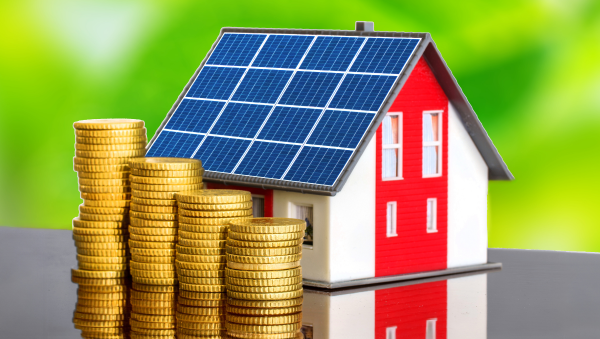

As electricity costs continue to rise worldwide, businesses and homeowners increasingly seek alternative solutions to reduce their energy expenses. In South Africa, the situation is particularly pressing. Eskom, the country’s primary energy provider, plans to request a staggering 36.15% electricity tariff increase from the National Energy Regulator of South Africa (NERSA) by 2025, according to the Daily Maverick. This expected rise in energy costs makes exploring more affordable, sustainable power sources essential. Investing in solar energy has emerged as one of the most effective strategies to combat rising electricity costs, offering long-term savings and environmental benefits.
Why Investing in Solar Is the Smart Choice
Solar power is rapidly gaining popularity as a reliable and cost-effective energy solution for businesses and households alike. Here’s why:
- Immediate Energy Cost Savings: Solar energy offers immediate and substantial savings on electricity bills. A survey reveals that 75% of businesses that switch to solar report significant reductions in their energy expenses. This makes solar power the cheapest way to power your business or home, allowing you to control your energy costs instead of being at the mercy of fluctuating tariffs.
- Decreasing Costs of Solar Technology: According to various industry reports, the cost of solar energy has dropped by a remarkable 82% over the last decade. This significant reduction in the cost of solar panels and installation means that investing in solar power is more affordable now than ever before. These lower upfront costs make solar energy accessible to a wider range of businesses and homeowners.
- Protection Against Future Electricity Price Hikes: With Eskom’s looming tariff increase of 36.15% in 2025, now is the time to protect yourself from these rising costs. Solar energy allows you to generate your own electricity, drastically reducing your reliance on the grid. This helps you avoid future electricity price hikes and provides long-term energy security.
- Quick Payback Period and Long-Term Gains: One of the most appealing aspects of solar energy is the relatively quick payback period. Solar systems typically pay for themselves within three to seven years, depending on the size of the installation and local energy prices. Once your system is paid off, you can enjoy decades of free, renewable energy, effectively insulating your business or home from future electricity price increases.
- Environmental Benefits: In addition to the financial advantages, investing in solar power reduces your carbon footprint. Solar energy is a clean, renewable resource that doesn’t produce harmful greenhouse gas emissions, unlike traditional fossil fuel-based electricity. By investing in solar, businesses can improve their sustainability credentials, which can appeal to eco-conscious customers and partners.
- Increased Property Value: Installing solar panels can also boost your property’s value. Studies have shown that homes and commercial buildings equipped with solar energy systems tend to sell faster and at higher prices than those without. The promise of long-term energy savings makes these properties more attractive to potential buyers or tenants.
Overcoming Common Concerns About Solar Investments
Many potential investors in solar energy may hesitate due to misconceptions about the costs, maintenance, or performance of solar systems. However, modern solar technology is highly reliable and durable, requiring minimal maintenance to operate efficiently. Most systems come with warranties of up to 25 years, ensuring long-term peace of mind. Additionally, financing options and government incentives can significantly reduce the initial investment required to install solar systems.
FAQs About Investing in Solar
How much can I save by investing in solar energy?
Businesses and households can save significantly by switching to solar power. 75% of companies report reduced energy expenses after investing in solar. The amount you save depends on your energy consumption and the size of your solar installation.
How long does it take for a solar system to pay for itself?
Solar systems generally pay for themselves within three to seven years. Once the system is paid off, you can enjoy decades of free electricity, further increasing your return on investment.
Will solar energy protect me from future electricity price increases?
Yes, solar energy allows you to generate your own electricity, reducing your dependence on the grid. This insulates you from future electricity price hikes, such as Eskom’s planned 36.15% increase in 2025.
How much has the cost of solar technology dropped in recent years?
Solar energy costs have dropped by 82% over the last decade, making it one of the most affordable renewable energy options available today.
Is solar power reliable for my business operations?
Yes, solar power is highly reliable and can be supplemented with battery storage systems to ensure a steady power supply. This is especially useful for businesses that operate in areas prone to power outages.
What environmental benefits does investing in solar offer?
Solar energy is a clean, renewable resource that doesn’t emit harmful pollutants or greenhouse gases. By switching to solar, you can reduce your carbon footprint and promote environmental sustainability.
Will solar panels increase the value of my property?
Yes, properties equipped with solar energy systems are generally more attractive to buyers and tenants. Solar installations can increase the resale value of homes and commercial buildings due to the promise of long-term energy savings.
Contact AC Direct for more information
Investing in solar is one of the most impactful ways to combat rising electricity costs while simultaneously contributing to a greener, more sustainable future. With the added benefits of energy cost savings, environmental responsibility, and increased property value, now is the ideal time to switch to solar power.
Calculate your solar requirements using our Solarculator, or contact us for more information.