


Can Air Conditioning Cause a Summer Cold?
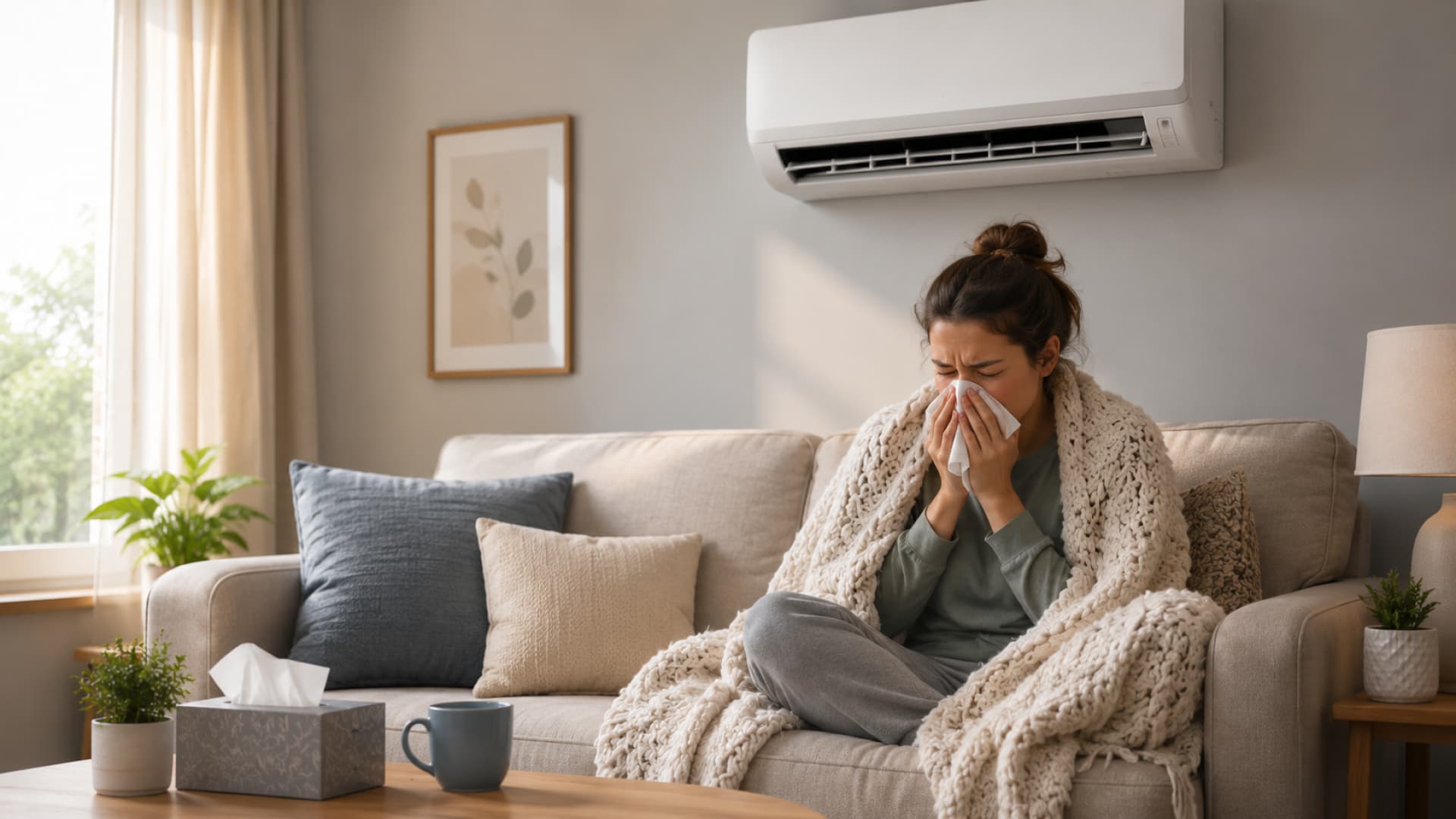
Can Air Conditioning Cause a Summer Cold?
Air conditioning does not directly cause a cold. Colds are caused by respiratory viruses, not by cold air coming from an aircon.
That said, the way you use and maintain your aircon can affect how comfortable your nose, throat and sinuses feel. A room that is too cold, too dry, dusty, or poorly ventilated can leave you feeling irritated, especially while you sleep. This guide explains the difference between an actual cold and aircon-related discomfort, plus how to use your aircon more comfortably during South African summers.
The Short Answer
An aircon does not create cold or flu viruses. If you catch a cold, it is because you were exposed to a virus.
People often blame air conditioning because symptoms can feel worse after sleeping in a cold room or sitting directly under airflow for hours. That does not mean the aircon caused the illness. It usually means the aircon may have dried out your throat, circulated dust from dirty filters, or made the room uncomfortably cold.
The smart approach is not to avoid air conditioning completely. It is to use it properly.
Why Aircon Can Make You Feel Sick
Air conditioning can make some people feel blocked, dry, or scratchy when it is used poorly.
Common triggers include:
- Setting the temperature too low
- Sleeping directly in the airflow
- Running the unit all night without sleep mode or a timer
- Dirty filters circulating dust and irritants
- A musty indoor unit that needs professional cleaning
- Very dry indoor air
- Moving repeatedly between extreme outdoor heat and a very cold room
These issues can irritate your airways, but irritation is not the same as a viral infection. If you have fever, body aches, worsening cough, or symptoms that do not improve, speak to a healthcare professional.
Best Aircon Settings for Sleeping
For most bedrooms, aim for comfortable cooling rather than making the room icy.
A practical summer setting is usually around 24 to 26°C. If the room is very hot before bed, use turbo or strong cooling for a short period, then switch to a moderate temperature, sleep mode, or a timer.
Try not to sleep with cold air blowing directly onto your face, chest, or neck. Position the louvres so airflow moves across the room rather than straight onto the bed. If the indoor unit is poorly positioned, you may need to adjust the airflow direction or review the installation position.
Keep the Aircon Clean
A clean aircon is more comfortable to use. Dirty filters can reduce airflow, hold dust, and make the unit work harder. In allergy-sensitive homes, dusty filters can also make symptoms feel worse.
For typical home use, clean washable filters every 4 to 6 weeks during active use. If the room is dusty, the unit runs daily, or pets sleep in the room, check the filters more often.
Book a professional service if:
- The unit smells musty
- Water drips from the indoor unit
- Airflow is weak
- The aircon has not been serviced in more than a year
- Symptoms feel worse every time the unit runs
A service can check the indoor coil, drain line, outdoor unit, refrigerant performance and electrical components.
Healthy Aircon Habits for Summer
Use your aircon in a way that supports comfort rather than extremes.
Start with these habits:
- Set the temperature moderately, usually around 24 to 26°C.
- Use sleep mode or a timer overnight.
- Keep filters clean.
- Avoid direct airflow onto your body.
- Keep windows and doors closed while the unit runs.
- Service the unit at least once a year.
- Do not ignore musty smells or water leaks.
Air conditioning is still one of the best ways to make a hot bedroom, lounge or home office more comfortable. The key is correct temperature, clean filters and good airflow direction.
Internal Links
- Aircon maintenance checklist
- Aircon for asthma and allergies in SA homes
- Where should you install an aircon?
- Browse air conditioners
- Book an aircon service
FAQ: Air Conditioning and Colds
Can air conditioning give you a cold?
No, air conditioning cannot give you a cold by itself. Colds are caused by viruses, not by cold air from an aircon. Poor aircon use can still irritate your throat, dry your nose, or make symptoms feel worse if the room is too cold or the filters are dirty.
Why do I feel sick after sleeping with the aircon on?
You may feel sick after sleeping with the aircon on because the room was too cold, the airflow was blowing directly onto you, or the filters were dusty. Dry or cold airflow can leave your throat and nose feeling irritated by morning. Try a moderate temperature, sleep mode, and airflow directed away from the bed.
What temperature should I set my aircon to at night?
Set your aircon to a comfortable moderate temperature, usually around 24 to 26°C for sleeping. If the room is very hot, cool it down before bed, then raise the setting or use sleep mode overnight. Very low settings can feel harsh and may increase electricity use without improving comfort.
Help Article: How to Use Your Aircon Without Feeling Sick
Short-form guide | 3 min read | Category: Product Help → Health & Comfort
Air conditioning does not cause colds, but poor aircon habits can leave you feeling dry, blocked or uncomfortable. Use this quick checklist to stay comfortable during summer.
Step 1: Avoid extreme cold
Do not set the aircon to the lowest temperature and leave it there all night. Start around 24 to 26°C and adjust slightly if needed.
Step 2: Use sleep mode or a timer
Sleep mode helps the unit run more gently overnight. A timer is also useful if you only need to cool the room before falling asleep.
Step 3: Move airflow away from your body
Avoid cold air blowing directly onto your face, chest or neck. Aim the louvres across the room instead of straight at the bed or desk.
Step 4: Clean the filters
Clean washable filters every 4 to 6 weeks during active use. Clean them more often if the room is dusty, the unit runs daily, or you have pets.
Step 5: Service musty or weak units
If the aircon smells damp, drips water, or blows weakly, book a professional service. A dirty indoor coil or blocked drain can make the unit unpleasant to use.
Related: Aircon maintenance checklist | Book an aircon service | Browse air conditioners