


Why You Should Use a Certified Installer
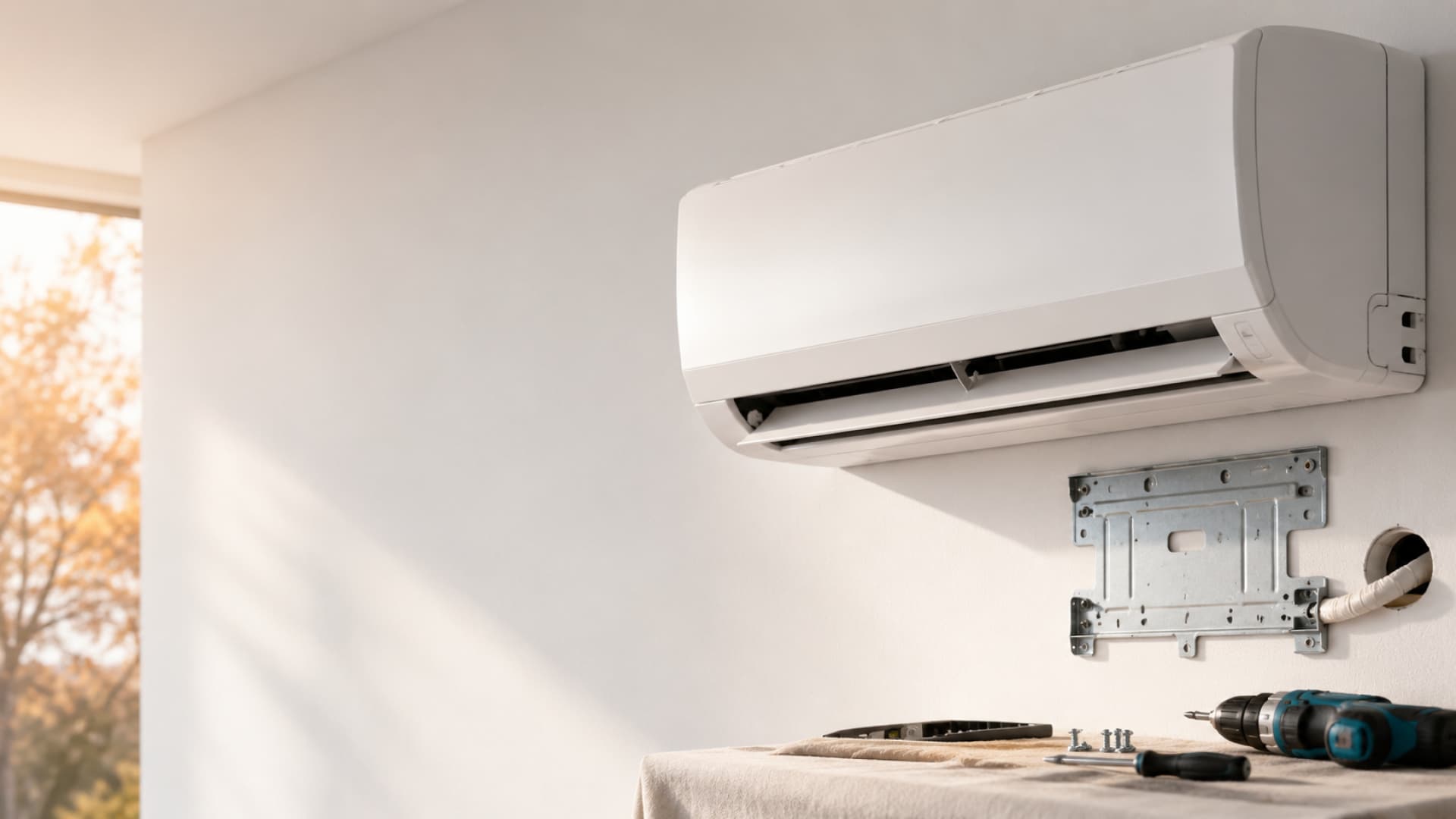
Why You Should Use a Certified Installer
Buying a good product is only half the job. Whether you are installing an aircon, heat pump, solar system, geyser solution or security setup, the installation has a direct impact on safety, performance, warranty protection and long-term running costs.
A certified installer is not just a convenience. For many products, especially those involving electrical work, refrigerant lines, fixed wiring, plumbing or solar integration, using the right installer is the difference between a system that works properly and one that becomes expensive very quickly.
What Is a Certified Installer?
A certified installer is a trained professional who has the skills, tools and approval needed to install a specific type of product safely and correctly.
Depending on the product, this may include:
- manufacturer or supplier training
- product-specific installation experience
- knowledge of South African safety standards
- electrical or refrigeration competence
- the ability to work with compliance documentation where required
- understanding of warranty requirements and installation limits
For electrical work in South Africa, installations must follow the relevant electrical installation regulations and wiring standards. Where a Certificate of Compliance is required, it must be issued by a properly authorised person. For solar systems, heat pumps and fixed aircon installations, this makes installer choice especially important.
Why Certified Installation Matters
A quality product installed badly can behave like a poor-quality product. It may run noisily, use more electricity, fail early or cause faults that should never have happened.
Certified installation helps protect four things: your safety, your warranty, your system performance and your long-term cost.
| What proper installation protects | Why it matters |
|---|---|
| Safety | Reduces the risk of electrical faults, leaks, poor drainage, overheating and property damage |
| Warranty | Helps prove that the product was installed according to manufacturer requirements |
| Performance | Ensures the system is sized, placed, connected and commissioned correctly |
| Efficiency | Helps the unit run closer to its intended electricity usage and output |
| Lifespan | Reduces avoidable wear caused by poor setup, incorrect wiring or bad placement |
Better Performance From Day One
Even the best aircon, heat pump or solar system will underperform if the installation is rushed or incorrect.
For an aircon, a certified installer will consider unit sizing, indoor unit placement, outdoor unit clearance, refrigerant pipe routing, drainage, electrical isolation and commissioning. Poor placement can cause draughts, weak airflow or unnecessary electricity use. Poor drainage can lead to water damage. Incorrect refrigerant handling can reduce performance and damage the compressor.
For solar and inverter systems, the stakes are even higher. Load balancing, battery compatibility, inverter setup, protection devices and wiring quality all affect how safely and reliably the system runs. A poorly configured solar system can trip unexpectedly, fail to support the intended loads or create avoidable risk.
For heat pumps, installation affects water heating performance, pipework, positioning, electrical supply and long-term reliability. The product may be efficient on paper, but only if it is installed in a way that allows it to operate correctly.
Safety Comes First
Electrical and mechanical installations carry real risk. A low-cost installation may look attractive upfront, but poor workmanship can create problems that are far more expensive than the saving.
Incorrect installation can lead to:
- electrical faults or nuisance tripping
- water leaks or drainage problems
- overheating components
- poor airflow or blocked ventilation
- property damage
- equipment failure
- unsafe wiring or non-compliant connections
This is especially important for high-powered products such as solar systems, heat pumps, large aircons and commercial equipment. These systems are not plug-and-play purchases. They need to be installed safely, tested properly and handed over with the right guidance.
Warranty Protection Matters
Most manufacturers expect products to be installed according to their approved requirements. If a product fails and the installation is found to be incorrect, the warranty claim may be rejected or delayed.
Using a certified installer helps protect your position because you have:
- proof that the product was installed professionally
- a clearer service history
- installation details that can be checked if a fault occurs
- better alignment with manufacturer requirements
- a responsible party to assist with follow-up support
This does not mean every future fault is automatically covered. Warranty terms still depend on the product, the fault, the manufacturer and whether the unit has been used and maintained correctly. But a proper installation gives you a much stronger starting point if something goes wrong.
The Cheapest Installer Can Cost More Later
A non-certified installer may seem cheaper at the quote stage, but the hidden costs can show up later.
Common after-effects of poor installation include higher electricity use, repeated callouts, noisy operation, water leaks, incorrect drainage, poor cooling or heating performance, damaged components and shortened system lifespan.
In some cases, the only real fix is to redo part of the installation. That means paying twice — once for the cheap installation, and again for the correction.
A certified installer should do the job properly from the start. That does not only protect the product. It protects your time, your property and your peace of mind.
Insurance, Resale and Documentation
Proper installation also matters when you sell, insure or upgrade your property.
For certain systems, buyers, insurers or compliance checks may ask for evidence that work was completed professionally. This is especially relevant where electrical work, solar systems, fixed installations or major home upgrades are involved.
Good documentation may include:
- installation invoice
- product serial numbers
- warranty documents
- service records
- compliance certificates where required
- installer details
Keep these documents together. They are useful for future servicing, warranty claims, insurance questions and resale.
When You Should Definitely Use a Certified Installer
You should use a certified or approved installer whenever the product involves fixed electrical work, refrigerant handling, plumbing integration, inverter and battery setup, roof work, structural mounting or manufacturer warranty requirements.
That includes:
- wall-split air conditioners
- under-ceiling, cassette and ducted aircons
- domestic and commercial heat pumps
- solar inverter and battery systems
- solar panels
- geyser-related electrical work
- security systems with fixed wiring
- commercial air conditioning systems
Portable products that simply plug into a wall socket may not need installation, but they still need correct setup and safe use. If the product connects permanently to your home or business infrastructure, do not gamble with the installation.
Questions to Ask Before Booking an Installer
Before accepting an installation quote, ask a few practical questions:
- Are you experienced with this exact product type?
- Will the installation follow the manufacturer’s requirements?
- What electrical work is included and what is excluded?
- Will a Certificate of Compliance be issued if required?
- What workmanship guarantee applies?
- What happens if the product does not perform correctly after installation?
- Are additional materials, access equipment or travel costs excluded from the quote?
A good installer will answer clearly. Vague answers are a warning sign.
Internal Links
- Where should you install an aircon?
- What size aircon do I need?
- Aircon maintenance checklist
- Your complete guide to solar power
- Book an aircon service
FAQ: Certified Installers in South Africa
Do I really need a certified installer?
Yes, you should use a certified installer for any fixed aircon, solar, heat pump or electrical installation. These products affect safety, performance, warranty and compliance. A certified installer is trained to install the system according to product and safety requirements, reducing the risk of costly faults later.
Can a bad installation void my warranty?
Yes, a bad or non-compliant installation can affect your warranty claim. Many manufacturers require the product to be installed according to their approved instructions. If the fault is linked to incorrect installation, poor wiring, bad positioning or unauthorised work, the repair may not be covered.
What compliance documents should I ask for?
Ask for the installation invoice, product details, warranty documents and any Certificate of Compliance required for the work completed. Electrical work in South Africa may require a valid electrical CoC issued by an authorised person. Keep all documents because they may be needed for future servicing, insurance, resale or warranty claims.
Is a certified installer more expensive?
A certified installer may cost more upfront, but the long-term risk is lower. Poor installation can lead to higher electricity use, water leaks, breakdowns, warranty issues and re-installation costs. Paying for proper installation once is usually cheaper than paying to fix a bad installation later.
Help Article: Certified Installer Checklist
Short-form guide | 3 min read | Category: Product Help → Installation
Before you book an installation, make sure the installer can answer these questions clearly.
Before the installation
Confirm the product type, model, installation location and any special access requirements. For aircons, check indoor and outdoor unit placement. For solar, confirm whether the installer has assessed the loads you want to run. For heat pumps, confirm the water and electrical requirements.
Ask these questions
- Are you qualified or approved to install this product type?
- Have you installed this brand or system before?
- What is included in the quoted installation?
- What is excluded, such as extra piping, cabling, brackets, scaffolding or travel?
- Will the work comply with South African safety requirements?
- Will a Certificate of Compliance be issued where required?
- What workmanship guarantee applies?
- Who do I contact if something does not work correctly after installation?
After the installation
Ask the installer to test the system before leaving. For aircons, confirm cooling, heating, drainage and remote operation. For solar, confirm changeover, battery operation and which circuits are backed up. For heat pumps, confirm heating performance and basic operating instructions.
Keep your documents in one place: quote, invoice, warranty, serial numbers, installer details and any compliance certificates. These records make future service, warranty and resale much easier.
Related: Aircon positioning guide | Book a service