


Lithium Batteries for Backup and Solar Power
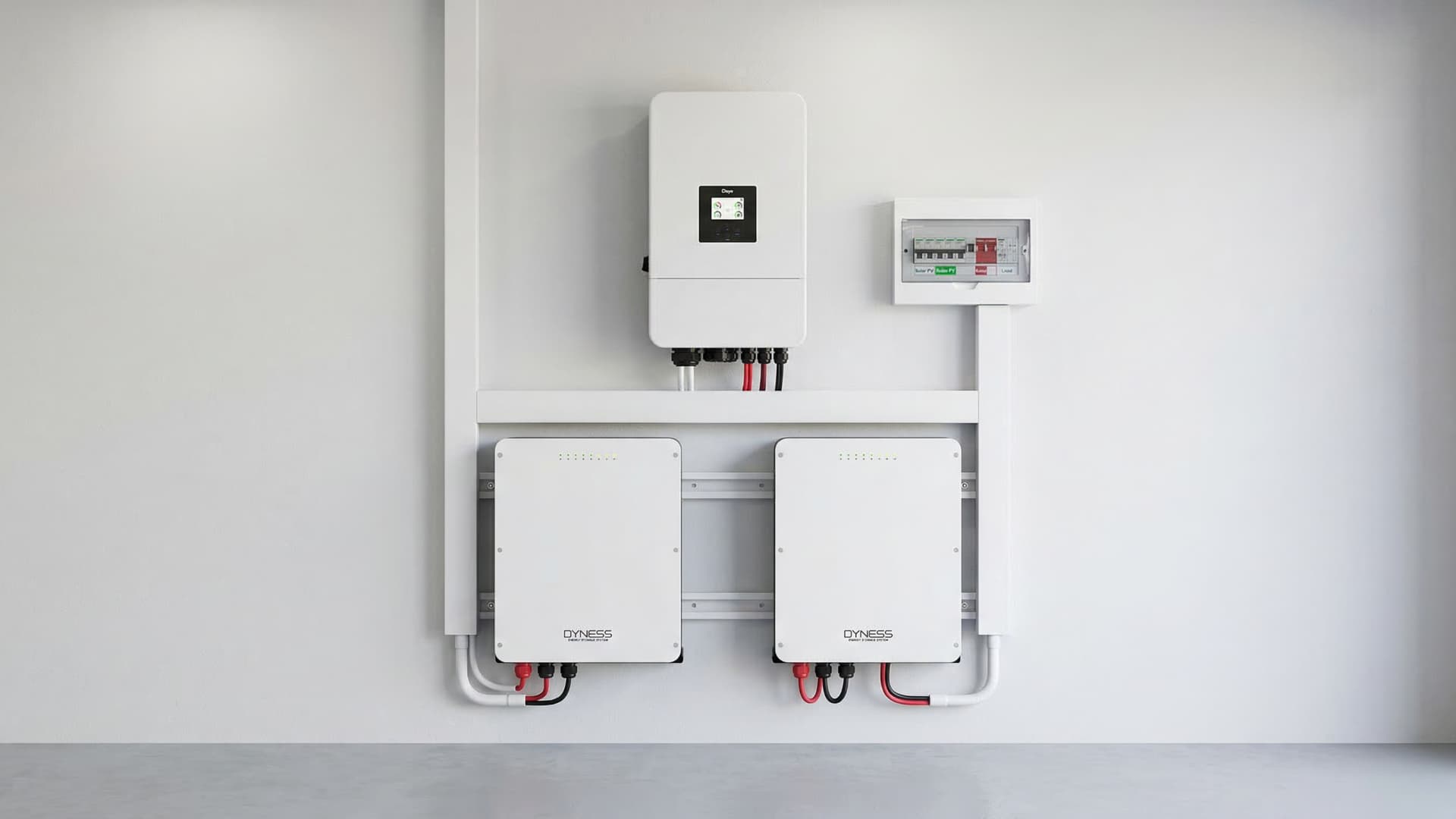
Lithium Batteries for Backup and Solar Power
Lithium batteries are one of the most practical choices for South African homes and businesses that need reliable backup power or want to store solar energy for later use.
They are lighter, more efficient and usually longer lasting than older lead-acid battery types. The important part is choosing the right battery for the job, not simply buying the biggest unit you can afford.
This guide explains how lithium batteries work in backup and solar systems, how they compare with gel and lead-acid batteries, what to check before buying, and how to think about battery sizing in a South African home or business.
Why Lithium Batteries Matter for Backup Power
A backup power system is only as useful as the battery behind it. The inverter supplies power to your selected circuits, but the battery decides how long those circuits can run.
In South Africa, batteries are not only used for scheduled load-shedding. They also help during municipal outages, local faults, cable theft, transformer failures, storm-related trips and general power interruptions. For solar users, batteries also store daytime solar energy so it can be used in the evening or during cloudy periods.
Lithium batteries are popular for these use cases because they store more usable energy in a smaller, lighter package and handle repeated charging and discharging better than most older battery types.
For most modern residential and light-commercial solar systems, the lithium battery used is usually a lithium iron phosphate battery, often written as LiFePO4 or LFP. This chemistry is common in home energy storage because it is stable, long lasting and well suited to repeated daily cycling.
Lithium Batteries vs Lead-Acid vs Gel Batteries
Lead-acid, gel and lithium batteries can all be used for backup power, but they behave very differently. The right choice depends on budget, usage frequency, available space, charging speed, maintenance expectations and how much usable energy you need.
| Battery type | Best suited to | Strengths | Watch-outs |
|---|---|---|---|
| Lead-acid | Small, occasional backup uses | Lower upfront cost, widely available | Heavy, lower usable capacity, shorter cycle life, more maintenance-sensitive |
| Gel | Small backup trolleys, alarms, gate motors, light UPS use | Sealed design, less spill risk than flooded lead-acid, useful for light backup | Still heavy, usually not ideal for deep daily cycling, slower recharge |
| Lithium / LiFePO4 | Solar systems, home backup, business backup, frequent cycling | Higher usable capacity, longer cycle life, lighter, faster charging, better efficiency | Higher upfront cost, must be matched to the inverter and installed correctly |
The biggest difference is not only how much energy the battery stores on paper. It is how much of that energy can be used regularly without damaging the battery or shortening its life too quickly.
A battery that looks cheaper on day one can become expensive if it needs to be replaced sooner, cannot discharge deeply, charges slowly, or struggles with frequent use.
Why Lithium Batteries Usually Win for Solar
Solar systems charge and discharge batteries often. A battery may charge during the day, discharge in the evening, recharge the next morning, and repeat this pattern for years. That kind of cycling is where lithium batteries usually make the most sense.
A lithium battery is a good fit for solar because it can:
- Accept charge efficiently from solar panels
- Store useful energy for evening and night-time use
- Support frequent charge and discharge cycles
- Use more of its rated capacity than many older battery types
- Take up less wall or floor space
- Integrate with compatible hybrid inverters and monitoring systems
This does not mean every home needs the most expensive lithium battery available. It means that if you plan to use your battery often, especially with solar panels, lithium is usually the better long-term category to compare first.
Understanding Usable Capacity
Battery marketing can be confusing because battery capacity is often shown as a nominal figure. A 5kWh battery does not always mean you should plan to use the full 5kWh every day.
The usable energy depends on:
- Battery chemistry
- Depth of discharge allowed by the manufacturer
- Inverter settings
- Battery management system settings
- Warranty conditions
- Battery age and temperature
- Whether the system is designed for daily cycling or backup only
As a working planning example, many modern ±5kWh lithium batteries provide roughly 4kWh to 4.8kWh of usable energy, depending on the product and settings. That is why AC Direct normally recommends sizing backup systems around the loads you actually need to run, rather than assuming the full nameplate number is always available.
For a more detailed sizing example, read How many batteries do I need for a 5kW Sunsynk inverter?.
How Lithium Batteries Work with an Inverter
A lithium battery does not power your home on its own. It works with an inverter and a properly wired electrical setup.
The inverter manages how power moves between:
- The grid
- Solar panels
- The battery
- Essential loads
- Non-essential loads
When the grid is available, the system may charge the battery from solar or grid power, depending on how it is configured. When the grid goes down, the inverter draws from the battery to power the circuits that have been connected to backup.
The battery management system, usually called the BMS, protects the battery from unsafe operating conditions. It helps manage over-discharge, over-charge, high current, low temperature, high temperature and cell balancing. This is one of the reasons lithium batteries must be matched properly with compatible inverters and communication settings.
A good battery installation is not just “plug in the battery and hope for the best”. The inverter, battery, cabling, protection equipment, DB board and monitoring setup must all work together.
What Can a Lithium Battery Run?
A lithium battery can run whatever the inverter and electrical design allow, but runtime depends entirely on the load.
Low-draw essentials last much longer than heating appliances, pumps, kettles or aircons. A battery that comfortably runs Wi-Fi, lights, a fridge and a TV may drain very quickly if it is expected to run a geyser, oven, pool pump or multiple aircons.
| Load type | Good fit for a small backup battery? | Notes |
|---|---|---|
| Wi-Fi and fibre router | Yes | Very low draw |
| LED lights | Yes | Good backup load |
| TV and laptop | Yes | Usually manageable |
| Fridge or freezer | Usually | Must allow for compressor start-up |
| Alarm, gate motor, electric fence | Usually | Depends on wiring and surge requirements |
| Kettle | Not ideal | High draw, even if used briefly |
| Microwave | Use carefully | High draw and short runtime impact |
| Pool pump | Usually no for basic backup | Better scheduled during solar production if designed for it |
| Electric geyser | Usually no for basic backup | Better handled separately or with dedicated design |
The safest approach is to split the DB board so only essential loads are backed up. That protects the battery from being drained by appliances that should not be on a basic backup circuit.
How Many Lithium Batteries Do You Need?
The number of batteries you need depends on two questions:
- What must stay on?
- How long must it stay on?
A small home that only needs Wi-Fi, lights, a TV and fridge backup may start with one ±5kWh lithium battery. A family home that wants longer evening and overnight backup often feels more comfortable with two batteries. A larger home, home office, small business or solar-first setup may need more.
Use this as a practical starting point:
| Backup goal | Typical starting point | Best for |
|---|---|---|
| Light essentials | 1 x ±5kWh lithium battery | Wi-Fi, lights, TV, fridge, laptops |
| More comfortable home backup | 2 x ±5kWh lithium batteries | Longer outages, evening use, family homes |
| Higher load or longer backup | 3+ batteries | More circuits, home office, longer interruptions |
| Whole-home backup | Custom design | Depends on geyser, pumps, aircons, stove and DB layout |
This is only a planning guide. The final answer depends on your actual load profile, battery model, inverter size, solar panel setup and what your installer connects to the backup circuits.
Use the Solar Wizard as a starting point, then confirm the final design with AC Direct before purchasing.
When Gel or Lead-Acid Still Makes Sense
Lithium is not automatically the answer for every small backup need. Gel or sealed lead-acid batteries may still make sense for smaller, lower-cost, occasional-use applications such as alarms, gate motors, basic UPS units and smaller trolley-style systems.
The key is usage frequency.
If the battery will only handle light occasional backup, an older battery type may be acceptable. If the battery will cycle often, support solar, power a household backup system, or work hard during repeated outages, lithium usually becomes the better long-term decision.
The wrong move is using a small lead-acid or gel setup as if it were a full home energy storage system. It may work briefly, but it is unlikely to offer the runtime, cycling life or efficiency expected from a proper lithium solar battery bank.
What to Check Before Buying a Lithium Battery
Before buying, check more than just the price and kWh rating.
1. Battery chemistry
For home solar and backup systems, LiFePO4 is usually the preferred lithium chemistry. It is commonly used in modern wall-mounted solar batteries.
2. Compatible inverter
Not every battery communicates properly with every inverter. Confirm compatibility before buying, especially if you already have an inverter installed.
3. Usable capacity
Check the usable capacity, not only the nominal kWh rating. Depth of discharge and warranty settings matter.
4. Continuous and peak discharge rating
A battery must be able to supply the loads you expect it to support. High-draw appliances need careful design.
5. Expandability
If you may add more batteries later, check whether the battery model supports parallel expansion and how many units can be connected.
6. Warranty terms
Battery warranty depends on correct installation, compatible equipment, operating conditions and allowed cycling. Keep proof of installation and avoid unsupported DIY changes.
7. Installation and protection
A proper installation needs suitable cabling, breakers, isolators, battery communication, ventilation clearance and DB board planning.
Common Battery Buying Mistakes
The most common mistake is buying by price alone. The cheapest battery may not offer the usable capacity, cycle life, compatibility or warranty support you need.
Other mistakes include:
- Expecting one battery to run the whole house
- Confusing inverter size in kW with battery capacity in kWh
- Putting geysers, ovens, kettles and pumps on basic backup circuits
- Buying a battery without checking inverter compatibility
- Ignoring solar panel sizing
- Forgetting that backup time depends on load
- Comparing lithium and lead-acid only by upfront price
- Installing without proper protection and qualified electrical work
Battery systems are electrical infrastructure. They should be designed around safety, compatibility and realistic usage.
Lithium Batteries for Homes vs Businesses
Homes and businesses use backup power differently.
A home usually needs comfort and continuity: Wi-Fi, lighting, fridge, TV, security, garage doors, gate motors and selected plugs. A small business may need tills, routers, point-of-sale systems, office computers, cameras, alarms, access control or refrigeration support.
For businesses, downtime can directly affect revenue. A larger battery bank, proper load separation and solar recharge may be worth the investment if outages interrupt trading or operations.
For both homes and businesses, the same rule applies: define the loads first. The battery choice follows the load list.
Internal Links
- Complete guide to solar power in South Africa
- Grid-tied vs hybrid vs off-grid solar systems
- How many batteries do I need for a 5kW Sunsynk inverter?
- What can you run on a backup inverter and battery system?
- Use the Solar Wizard
- Browse lithium batteries
FAQ: Lithium Batteries for Backup and Solar Power
Are lithium batteries good for backup power?
Yes, lithium batteries are a strong choice for backup power because they offer good usable capacity, efficient charging, long cycle life and compact installation. They are especially useful when the battery will be used often, such as in a hybrid inverter system or solar setup. The final performance still depends on inverter compatibility, battery size and which circuits are connected to backup.
Are lithium batteries better than gel batteries?
Lithium batteries are usually better than gel batteries for home solar and frequent backup use. They generally offer deeper usable discharge, longer cycle life, faster charging and lower weight. Gel batteries can still be useful for smaller occasional backup applications, but they are usually not the best choice for daily cycling in a solar system.
What is the difference between lithium and lead-acid batteries?
Lithium batteries usually provide more usable energy, better efficiency, lighter weight and longer cycle life than lead-acid batteries. Lead-acid batteries are often cheaper upfront, but they are heavier, more maintenance-sensitive and less suited to frequent deep discharge. For a South African solar or hybrid backup system, lithium is usually the better long-term option.
Can I use lithium batteries with solar panels?
Yes, lithium batteries work very well with solar panels when paired with a compatible inverter and correct installation. Solar panels can power daytime loads and recharge the battery during sunlight hours. The battery then supplies stored energy in the evening, overnight, during outages or when solar production drops.
How do I choose the best lithium battery for solar power?
Choose a lithium battery by checking usable capacity, inverter compatibility, battery chemistry, discharge rating, warranty, expandability and installation requirements. Do not choose only by kWh rating or price. Start with your load list and backup time, then match the battery bank to that requirement.
Help Article: Lithium vs Gel vs Lead-Acid Batteries
Short-form guide | 3 min read | Category: Product Help → Solar & Backup Power
The quickest way to choose between lithium, gel and lead-acid batteries is to look at how often the battery will be used.
Choose lithium for solar and frequent backup
Choose a lithium battery if you are building a solar system, hybrid inverter system or home backup setup that will cycle regularly. Lithium batteries are usually lighter, more efficient, longer lasting and better suited to deeper discharge than older lead-acid battery types.
Choose gel for light, occasional backup
Gel batteries can work for smaller backup needs such as alarms, gate motors, UPS units and simple trolley systems. They are sealed and convenient, but they are not usually the best fit for heavy daily cycling.
Choose lead-acid for low-cost basic backup only
Lead-acid batteries can still be useful where upfront cost matters most and the backup need is light. They are not the best choice for frequent deep discharge, long backup time or modern solar storage.
Quick comparison
| Need | Better starting point |
|---|---|
| Solar battery storage | Lithium |
| Home inverter backup | Lithium |
| Frequent outages or daily cycling | Lithium |
| Alarm or gate motor backup | Gel or lead-acid, model dependent |
| Lowest upfront cost | Lead-acid |
| Best long-term performance | Lithium |
Before buying, confirm your inverter, load list, runtime expectation and installation requirements. The best battery is the one that matches the system, not the one with the biggest number on the label.
Related: Full lithium battery guide | Use the Solar Wizard | Browse lithium batteries