


When to Service a Heat Pump
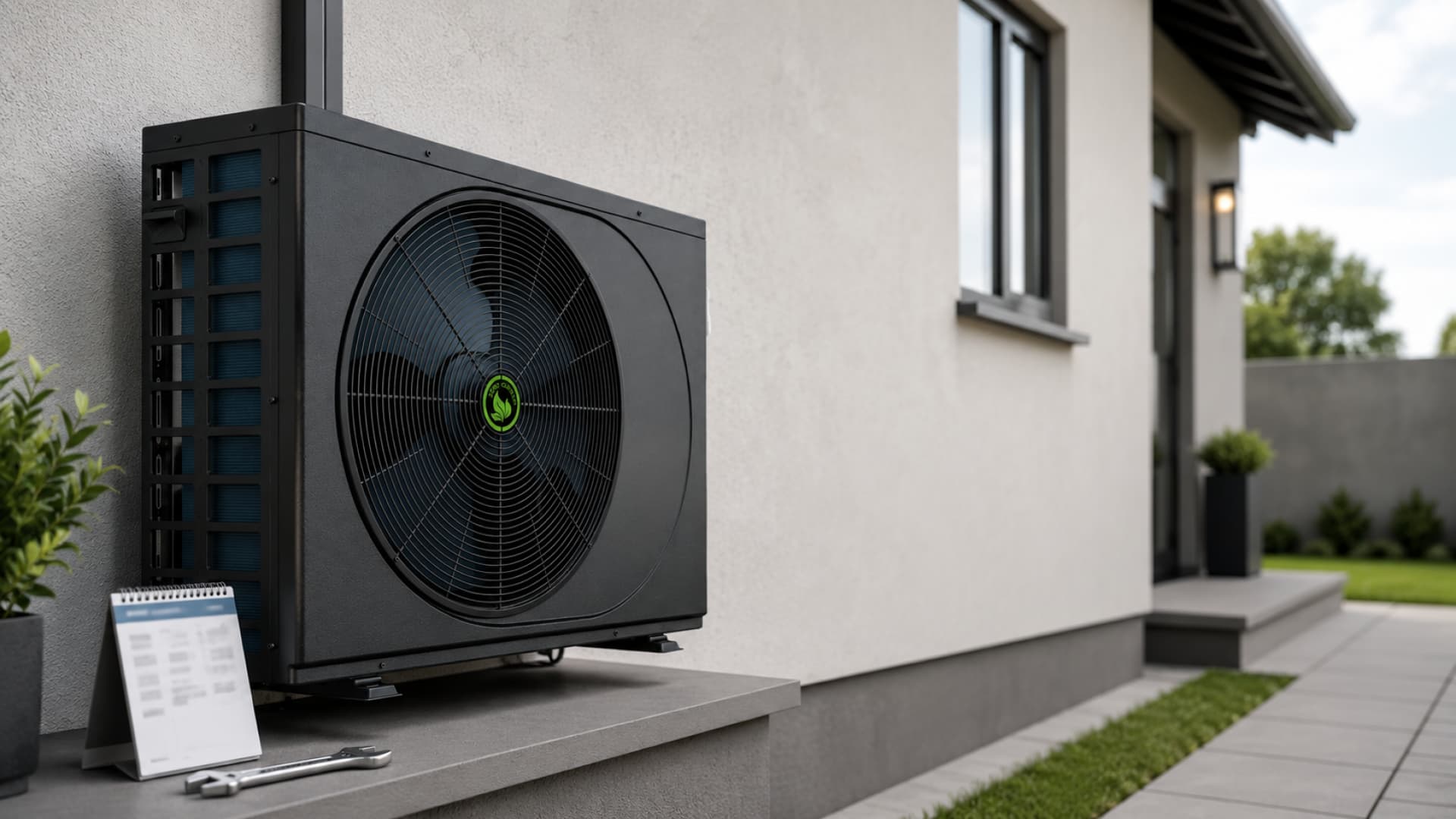
When to Service a Heat Pump
Most heat pumps should be professionally serviced at least once a year. If the unit is used heavily, installed near the coast, exposed to dust, heating a pool through cooler months, or supplying daily hot water to a busy household, it may need attention sooner.
This quick guide explains when to book a heat pump service, what warning signs to look for, and which checks are safe to do yourself before calling a technician.
Help Article: When to Service a Heat Pump (Quick Reference)
Short-form guide | 4 min read | Category: Product Help → Heat Pumps
A heat pump should not be left until it stops working completely. Whether it is heating domestic hot water or keeping a swimming pool comfortable, small faults can quickly affect efficiency, reliability and running cost.
The best approach is simple: service it regularly, keep airflow and water flow clear, and book a technician as soon as performance changes.
Recommended heat pump service schedule
| Heat pump use | Recommended service timing | Notes |
|---|---|---|
| Domestic hot water heat pump | At least once a year | Best before winter or before peak household demand |
| Pool heat pump | At least once a year | Best before the main swimming or heating season |
| High-use household or guesthouse | Every 6 to 12 months | Depends on usage, water quality and installation environment |
| Coastal installation | Every 6 to 12 months | Salt air can be harder on outdoor components |
| Dusty or leafy area | Every 6 to 12 months | Airflow and coil condition need closer checking |
| Commercial or shared-use system | Every 6 months or as advised | Higher runtime usually needs tighter maintenance |
Always check the specific product manual and warranty terms. Some manufacturers or suppliers may require proof of regular servicing, especially for warranty claims.
Warning signs your heat pump needs a service
Book a technician if you notice any of the following:
- The water or pool is taking much longer to heat.
- The unit runs for long periods without reaching the set temperature.
- There is persistent ice or heavy frost on the evaporator coil.
- The fan runs loudly, rattles, grinds or struggles to start.
- The unit clicks, buzzes or trips the power.
- An error code appears on the controller.
- Water flow warnings appear on a pool heat pump.
- The pool pump, basket or filter pressure is causing poor circulation.
- There is unusual vibration from the cabinet.
- The heat pump seems to be stuck in one mode where reverse-cycle operation applies.
- There are signs of corrosion, damaged wiring, leaking water, or poor drainage.
Do not assume every icing issue means a refrigerant leak. Persistent ice can also be caused by poor airflow, dirty coils, low ambient temperature, fan issues or a control fault. A technician should diagnose the cause before any repair is done.
What you can check yourself
You can do basic checks before booking a service, provided you do not open panels or touch electrical or refrigerant components.
For most heat pumps, you can:
- Clear leaves, grass, dust and loose debris around the unit.
- Make sure airflow around the heat pump is not blocked.
- Listen for new noises or vibration.
- Check that water is circulating correctly on pool systems.
- Clean the pool pump basket and check the filter pressure if relevant.
- Check the controller for error codes.
- Confirm the set temperature has not been changed accidentally.
- Check for obvious water leaks or drainage problems.
For hot water heat pumps, also check whether hot water usage has changed. A larger household, more baths, longer showers or higher winter demand can make the system seem faulty when the real issue is load or sizing.
What needs a technician
A qualified technician should handle anything involving refrigerant, electrical testing, internal components, fan motors, capacitors, control boards, valves, sensors and sealed system diagnosis.
A heat pump service may include:
| Service item | Why it matters |
|---|---|
| Coil inspection and cleaning | Dirty coils reduce heat transfer and make the unit work harder |
| Fan and motor inspection | Worn motors, loose blades and vibration can lead to failure |
| Electrical checks | Capacitors, connections and controls need safe testing |
| Refrigerant performance check | Low performance may point to a leak or sealed-system fault |
| Sensor and controller check | Incorrect readings can affect heating and run time |
| Water flow check | Poor flow can stop a pool heat pump from heating properly |
| Drainage check | Blocked drainage can cause corrosion or water damage |
| General corrosion check | Important near the coast or in exposed outdoor areas |
Do not attempt to refill refrigerant, bypass faults, open electrical covers, or remove internal components yourself. Heat pumps combine water, electricity, moving parts and refrigerant, so guesswork can become expensive or unsafe.
Best time of year to service a heat pump
For a domestic hot water heat pump, service it before winter or before your household’s heaviest hot-water season. Winter usually places more demand on hot water systems because inlet water is colder and families tend to use more hot water.
For a pool heat pump, service it before the swimming season or before the colder months if you plan to extend pool use into autumn and winter. It is better to find a water-flow issue, dirty coil or fan problem before you are relying on the system daily.
For coastal, dusty or commercial installations, do not wait for the season. A shorter service interval is usually safer because the heat pump works in tougher conditions.
Why regular servicing matters
A heat pump saves energy by moving heat instead of generating all its heat through an electric element. That advantage depends on good airflow, clean coils, proper water flow and healthy electrical components.
If the unit is dirty, blocked, corroded or low on performance, it may still run, but it will take longer to heat and use more electricity than it should. Regular servicing protects the unit before small issues become major repairs.
When you are ready, book a heat pump inspection or service with AC Direct.
Related: Hot water heat pump guide | Pool heat pump guide | Book a heat pump service
Internal Links
- Hot water heat pump guide
- Pool heat pumps in South Africa
- How does a pool heat pump work?
- Book a heat pump service
FAQ: Heat Pump Servicing in South Africa
How often should a heat pump be serviced?
A heat pump should usually be serviced at least once a year. High-use systems, commercial installations, coastal homes and dusty sites may need servicing every 6 to 12 months. Always check the product manual and warranty terms for the specific unit.
What are the signs that my heat pump needs a service?
The main signs are slow heating, longer run times, error codes, unusual noise, vibration, poor water flow, heavy ice build-up, tripping power or the unit failing to reach the set temperature. These symptoms can come from dirty coils, poor airflow, water-flow issues, electrical faults or refrigerant problems. A technician should diagnose the cause before parts are replaced.
Can I service a heat pump myself?
You can do basic checks yourself, but you should not service the internal system yourself. It is safe to clear debris, check airflow, clean a pool pump basket, confirm water circulation and look for visible warning signs. Refrigerant, electrical testing, internal cleaning, fan motors, capacitors, sensors and sealed-system faults should be handled by a qualified technician.
Why is my heat pump icing up?
A heat pump can ice up because of poor airflow, dirty coils, low outdoor temperature, fan faults, water-flow problems or refrigerant issues. Light frost may occur in certain operating conditions, but persistent or heavy ice is a warning sign. Switch the unit off if needed and book a technician before continuing heavy use.