


Top Winter Home Upgrades for South African Homes
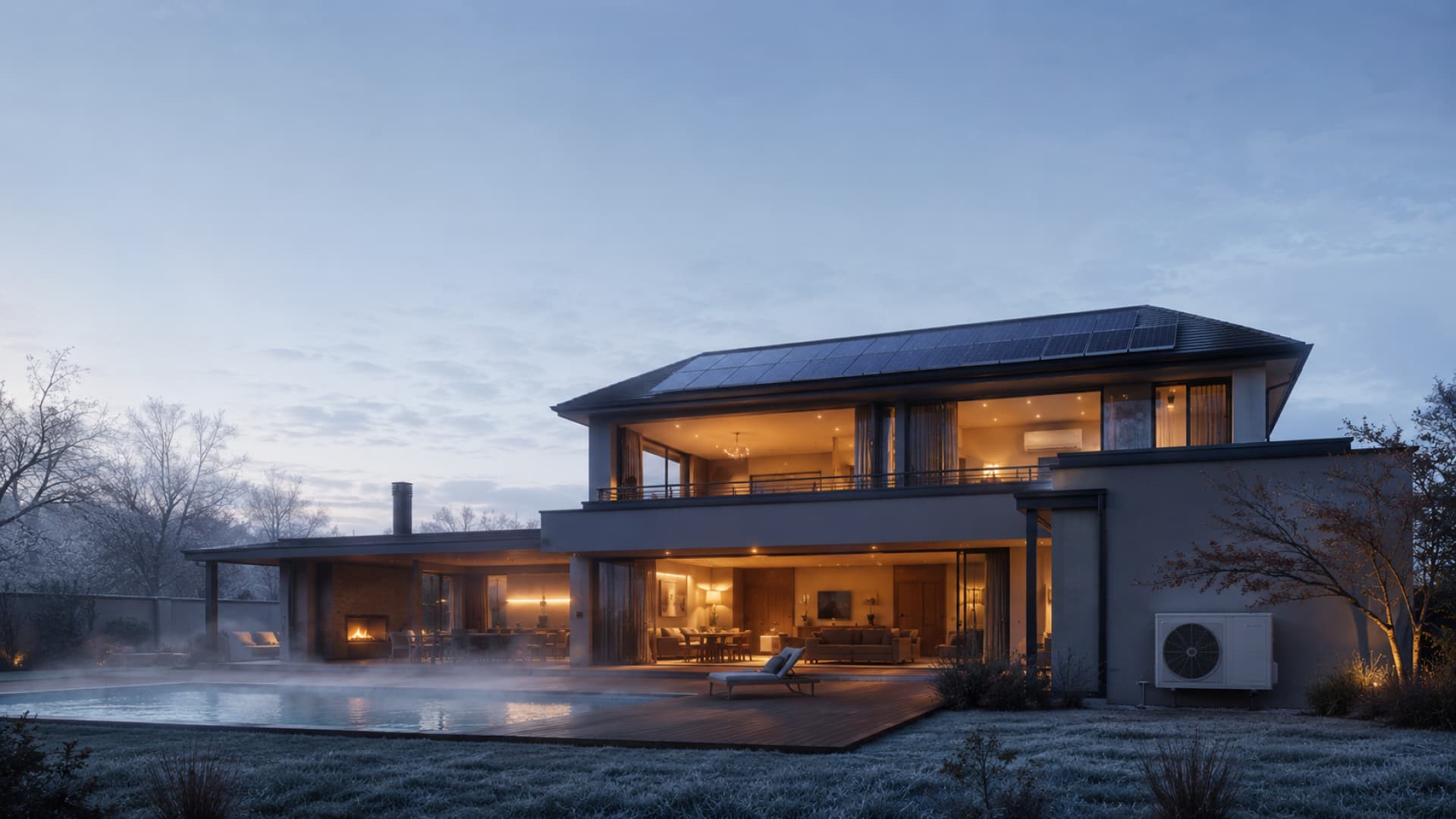
Top Winter Home Upgrades for South African Homes
Winter comfort in South Africa is not only about buying the biggest heater you can find. The smarter move is to upgrade the parts of your home that affect warmth, energy use and backup power, so you stay comfortable without watching the electricity meter run away.
This guide covers practical winter home upgrades for South African households: inverter air conditioners for efficient heating, pool heating for year-round swimming, solar and battery backup for energy security, plus smaller improvements like insulation, draught control and smart controls. The goal is simple: a warmer, more efficient home that is easier to live in through winter and better prepared for summer.
Why Winter Home Upgrades Matter in South Africa
South African winter is not the same everywhere. Gauteng mornings can be icy and dry. Cape winters bring cold fronts, rain and wind. KwaZulu-Natal is milder, but humidity and coastal air still affect comfort. Inland areas can have large day-to-night temperature swings, with warm afternoons and very cold evenings.
That mix makes heating decisions tricky. A plug-in heater may be fine for a small room, but it becomes expensive when used for long periods. Gas heating can help during outages, but it needs ventilation and safe cylinder handling. Underfloor heating feels luxurious, but it can be costly to install and run. Solar and battery systems improve energy security, but they need to be sized around real household loads.
The best winter upgrade plan looks at the whole home, not one appliance in isolation. Start with the rooms you use most, then consider how much electricity you use, whether you need backup during outages, and whether your existing appliances are working efficiently.
Upgrade 1: Install an Inverter Aircon for Efficient Heating
A modern inverter aircon is one of the most useful year-round upgrades for a South African home. It cools in summer, heats in winter and maintains a stable room temperature without the harsh on-off cycling of older fixed-speed units.
In heating mode, an inverter aircon works as a heat pump. Instead of creating heat with a glowing element like a fan heater, it moves heat from outside air into the room. That is why a correctly sized inverter aircon can be more efficient for regular heating than many plug-in electric heaters.
Why it works well in winter
Inverter aircons are especially useful for bedrooms, home offices, lounges and open-plan living areas where comfort matters for several hours at a time. Once the room reaches the set temperature, the compressor reduces output and maintains the temperature steadily.
That steady operation matters in winter. It avoids the cycle of overheating a room, switching off the heater, then getting cold again. It also gives you summer cooling from the same unit, which improves the value of the purchase.
What to check before buying
Do not choose only by price. Check:
- Room size and BTU requirement
- Whether the room gets strong sun or loses heat quickly
- Noise level for bedrooms and home offices
- Inverter technology for regular use
- Heating and cooling capacity
- Installation position
- Energy efficiency rating
- Warranty terms and service requirements
A small bedroom may only need a 9,000 BTU unit, while a larger lounge may need 18,000 or 24,000 BTU. For unusual layouts, use the BTU Calculator before choosing.
Upgrade 2: Improve Insulation and Seal Draughts
Before spending money on bigger appliances, fix the simple things that let heat escape. A warm room that leaks air is expensive to maintain, no matter what heating system you use.
South African homes often lose heat through roof spaces, gaps around doors, old window frames and tiled floors. In older homes, the heating problem is sometimes not the heater itself, but the building envelope around it.
High-impact winter fixes
Start with these:
| Upgrade | Why it helps |
|---|---|
| Ceiling insulation | Reduces heat loss through the roof, especially in cold inland areas |
| Door seals | Stops cold air entering under external doors |
| Curtain upgrades | Helps reduce heat loss through large windows and sliding doors |
| Blockout blinds | Useful for bedrooms and sunny rooms that lose heat at night |
| Rugs on tiled floors | Adds comfort in cold rooms and reduces the chill underfoot |
| Window gap sealing | Reduces draughts around older frames |
These upgrades are not glamorous, but they make every heating appliance work better. If your aircon, gas heater or electric heater runs less often to maintain the same temperature, you save electricity or fuel.
Upgrade 3: Add Pool Heating for Year-Round Use
A pool is one of the biggest lifestyle investments on a South African property, but many pools are used heavily for only a few months of the year. Pool heating changes that by extending the swimming season into cooler months.
For most residential pools, a pool heat pump is the practical option. It transfers heat from the surrounding air into the pool water, instead of using an electric element to generate heat directly. That makes it more efficient than traditional electric resistance heating when the system is correctly sized and used with a pool cover.
When pool heating makes sense
Pool heating is worth considering if:
- You swim for fitness
- Your family uses the pool regularly
- You entertain often
- You want better value from an existing pool
- Your pool is shaded or cools quickly
- You want to extend the swimming season without relying only on hot weather
A thermal pool cover is strongly recommended. It helps retain heat overnight, reduces evaporation and allows the heat pump to work less aggressively. Without a cover, a heated pool loses more energy to the air, especially on cold or windy nights.
For a full breakdown, read the pool heating guide for South Africa.
Upgrade 4: Add Solar and Battery Backup for Energy Security
Solar is not only a summer investment. Winter is a good time to review your home’s energy use because heating, hot water, lighting and evening appliance loads often become more noticeable.
A solar and battery system can reduce daytime grid usage, provide backup during outages and help you manage rising electricity costs. The right system depends on what you want to power. Running a few lights, Wi-Fi and a fridge is very different from backing up an aircon, kettle, geyser, pool pump or full home.
Choose the right solar setup
| System type | Best for | Key limitation |
|---|---|---|
| Grid-tied solar | Reducing daytime electricity use | No battery backup during outages |
| Hybrid solar | Solar savings plus battery backup | Higher upfront cost than grid-tied |
| Off-grid solar | Remote properties or full independence | Must be carefully oversized for winter and cloudy days |
For most connected homes, a hybrid system is the most flexible option. It allows solar panels, batteries and the grid to work together. During normal operation, it can reduce grid use. During outages, it can power selected essential circuits if the inverter and battery bank are sized correctly.
Use the Solar Wizard as a starting point, then confirm the final system design with a qualified solar professional.
Upgrade 5: Choose Energy-Efficient Appliances and Controls
Winter energy savings are not only about heating. Refrigerators, freezers, dishwashers, washing machines, pool pumps and hot water systems all contribute to monthly electricity use.
If an appliance is old, inefficient or running constantly, upgrading to a more efficient model can help reduce the base load of your home. This is especially useful if you are planning a solar or battery system, because the lower your essential load, the smaller and more affordable your backup requirement may be.
Practical appliance upgrades to consider
Look at:
- Inverter refrigerators and freezers
- Energy-efficient dishwashers and washing machines
- Smart plugs or timers for non-essential loads
- LED lighting
- Efficient pool pump scheduling
- Geyser timers or hot water heat pumps
- Smart aircon controls where supported by the model
The key is not to automate everything for the sake of it. Focus on the appliances that run for long hours or create peak demand.
Upgrade 6: Service Existing Systems Before Replacing Them
Sometimes the best winter upgrade is maintenance. A dirty aircon, blocked filter, poor pipe insulation, clogged pool pump basket or underperforming solar system can cost more to run than it should.
Before replacing equipment, check whether it simply needs proper servicing.
What to service before winter
| System | What to check |
|---|---|
| Aircon | Filters, coils, drainage, heating mode, outdoor unit airflow |
| Pool heat pump | Water flow, airflow clearance, coils, set temperature, cover use |
| Solar system | Inverter settings, battery health, panel cleanliness, backup circuits |
| Pool pump | Basket, filter pressure, timer schedule, leaks |
| Geyser or heat pump | Temperature setting, insulation, valves, service interval |
A maintained system is usually more efficient, quieter and less likely to fail during the first serious cold spell.
Which Winter Upgrade Should You Prioritise?
Your best upgrade depends on the problem you are solving.
| Main problem | Best first upgrade |
|---|---|
| Cold bedroom or lounge | Correctly sized inverter aircon |
| High electricity use | Insulation, efficient appliances and aircon settings |
| Unused pool in winter | Pool heat pump plus thermal cover |
| Outages or backup concerns | Hybrid inverter and battery system |
| Whole-home energy planning | Solar system assessment |
| Draughty, uncomfortable rooms | Door seals, curtains and ceiling insulation |
If your budget is limited, start with the upgrade that affects daily comfort and running cost the most. For many homes, that means a correctly sized inverter aircon for the main room, followed by insulation and smarter appliance use. For homes with higher electricity spend, solar and battery backup may move higher on the list.
Internal Links
- Why more South Africans are buying aircons in winter
- What size aircon do I need? BTU guide for SA
- Pool heating in South Africa
- Solar power in South Africa
- Browse air conditioners
FAQ: Winter Home Upgrades in South Africa
What are the best winter home upgrades for South African homes?
The best winter home upgrades are inverter aircons, insulation, pool heating, solar backup and energy-efficient appliances. These upgrades improve comfort while helping control electricity use. The right priority depends on your home, budget and whether your biggest concern is heating, backup power or long-term energy savings.
How can I make my home more energy efficient before winter?
Start by sealing draughts, improving ceiling insulation, servicing your aircon and using efficient heating settings. Then look at larger upgrades such as inverter aircons, solar backup, efficient appliances and pool heat pumps. Small fixes reduce wasted energy, while bigger upgrades improve long-term performance.
Is an inverter aircon good for winter heating?
Yes, an inverter aircon is a strong option for winter heating when it is correctly sized for the room. It uses heat pump technology to move heat rather than relying only on an electric heating element. That makes it well suited to bedrooms, lounges and home offices used for several hours at a time.
Is solar worth considering as a winter home upgrade?
Yes, solar is worth considering in winter if your household has high electricity use or wants better backup power. Winter also highlights evening loads, heating loads and hot water use, which helps you understand what a solar or battery system must support. The system should be sized around real usage, not a guess.
Is pool heating expensive to run in South Africa?
Pool heating can be expensive if the system is undersized, badly used or run without a cover. A correctly sized pool heat pump with a thermal cover is usually the more efficient approach for regular use. Running cost depends on pool size, target temperature, climate, cover use and how many hours the system operates.
Help Article: Winter Home Upgrade Checklist
Short-form guide | 3 min read | Category: Product Help → Seasonal
Use this checklist before winter to decide which upgrades will make the biggest difference in your home.
1. Check your main cold rooms
Identify the bedroom, lounge or office that needs heating most often. Measure the room and use the BTU Calculator before choosing an inverter aircon.
2. Reduce heat loss
Seal gaps around external doors, check curtains or blinds, and inspect ceiling insulation. These low-cost fixes make heating more effective.
3. Service existing systems
Clean aircon filters, check pool equipment, review solar inverter settings and make sure your pool pump schedule still suits winter use.
4. Review backup power needs
List essentials such as lights, Wi-Fi, fridge, security and selected plugs. Then decide whether you need a small battery backup, a hybrid solar system or a larger home energy setup.
5. Plan bigger upgrades in order
Prioritise daily comfort first, then long-term energy savings. For many homes, the best sequence is: insulation, inverter aircon, solar backup, pool heating and appliance upgrades.
Related: Winter aircon buying guide | Use the Solar Wizard