


How to Choose a Bosch Dishwasher
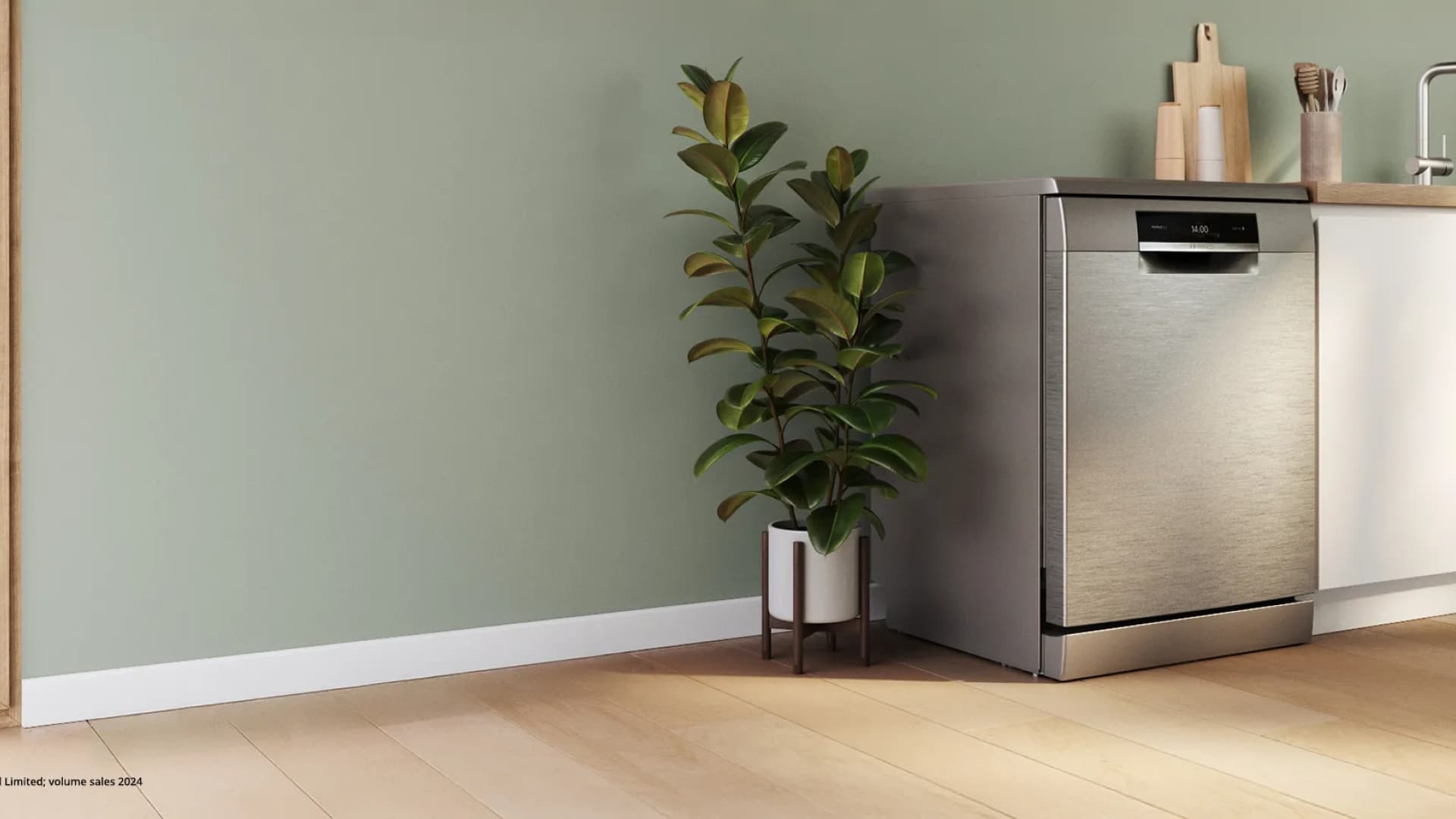
How to Choose a Bosch Dishwasher
Choosing the right Bosch dishwasher comes down to your kitchen layout, household size, noise sensitivity, and the type of wash programmes you actually use. A premium dishwasher is only useful if it fits your space, connects correctly, and makes everyday cleaning easier.
This guide covers the key points to check before buying a Bosch dishwasher for a South African home, apartment or entertainment kitchen.
Start With the Type of Dishwasher
Bosch dishwashers are commonly available in freestanding, built-in, full-size and slimline formats. Your first decision should be based on the space available in your kitchen.
| Dishwasher type | Best for | What to check |
|---|---|---|
| Freestanding dishwasher | Flexible placement and easier replacement | Water supply, drainage and plug point position |
| Built-in dishwasher | Seamless kitchen design | Cabinet width, worktop height and door clearance |
| Slimline dishwasher | Smaller kitchens, flats and limited cabinet space | Whether the smaller capacity suits your household |
| Full-size dishwasher | Families and regular entertainers | Enough cabinet or floor space for the wider unit |
A slimline Bosch dishwasher is usually the better option when space is tight. A full-size unit makes more sense for families, frequent cooking, larger loads and households that entertain often.
Freestanding vs Built-In Bosch Dishwashers
A freestanding Bosch dishwasher is easier to position because it does not need to be built into a cabinet. This makes it useful for existing kitchens where you do not want to redesign the cabinetry. It can also be easier to access if it needs to be moved for servicing.
A built-in Bosch dishwasher is the cleaner choice for modern kitchens where the appliance should sit neatly under the worktop. This gives the kitchen a more seamless look, but it does require more careful measuring before purchase.
Before choosing built-in, check:
- The cabinet opening width and height
- Whether the door can open fully without hitting drawers or plinths
- Whether there is enough space at the top and sides for adjustment
- Whether the electrical outlet, water supply and drainage point are reachable
- Whether the dishwasher can be pulled out for service without disconnecting everything first
For built-in installations, always follow the specific Bosch installation manual for the model you are buying. Cabinetry, worktop height and floor levels can vary, so do not rely on a generic measurement alone.
Choose the Right Size for Your Household
Think about how often you cook, how many people live in the home, and whether you regularly host guests.
A smaller household may not need the capacity of a full-size dishwasher, especially if dishes are washed daily. A larger family, open-plan entertainment kitchen, or home with regular dinner parties will benefit from more rack space and flexible loading.
Also check what you wash most often. If you regularly clean large pots, oven trays, wine glasses or baby bottles, rack flexibility matters as much as capacity. Look for adjustable baskets, foldable plate supports and a cutlery tray or basket layout that suits the way you load dishes.
Noise Level Matters in Open-Plan Kitchens
Dishwasher noise is worth checking if your kitchen is open-plan, close to a TV area, or near a bedroom. A lower decibel rating is usually better for evening use, especially if you run the dishwasher after dinner.
Do not look only at the brand. Compare the actual dB(A) rating on the model specification. Two Bosch dishwashers can differ in noise level depending on the series, motor, insulation and programme selected.
For open-plan spaces, prioritise:
- Lower dB(A) rating
- Eco or quiet programme options
- Good internal insulation
- Stable installation that prevents vibration against cabinetry
Programmes and Features Worth Considering
The best Bosch dishwasher is not necessarily the one with the most programmes. It is the one with the programmes you will use.
Useful features may include:
- Eco programme for everyday energy and water-conscious cleaning
- Hygiene or high-temperature programme for baby bottles, cutting boards or more intensive cleaning
- Glass programme for wine glasses and delicate items
- Quick wash for lightly soiled dishes
- Delay start for running the dishwasher at a convenient time
- Extra dry function for plastics and items that hold water droplets
- Smart connectivity on selected models for remote control and notifications
These features are model-dependent, so confirm the exact dishwasher specification before ordering.
Energy and Water Use
A dishwasher can be more efficient than handwashing when it is fully loaded and used correctly. The key is to compare the energy label, water-use information and programme options on the specific Bosch model.
To keep running costs sensible:
- Run full loads where possible
- Use the eco programme for normal daily dishes
- Avoid pre-rinsing under running water unless the manual requires it
- Clean the filter regularly
- Use the correct dishwasher salt, rinse aid and detergent for your water conditions
If you are choosing between two models, the cheaper upfront dishwasher is not always the cheaper long-term option. Consider energy use, water use, warranty terms, repair support and whether the layout will save time in daily use.
Installation Checks Before You Buy
Dishwashers need access to power, water supply and drainage. Before buying, check where these points sit in relation to the dishwasher space.
As a practical guide, the plug point, water inlet and drain outlet should be positioned so the appliance can be connected safely without stretched hoses or sharp bends. The dishwasher should also be removable for service access.
Before installation or maintenance work:
- Turn off the power.
- Turn off the water supply.
- Check the model installation manual.
- Make sure the door can open fully.
- Confirm the dishwasher sits level once adjusted.
If the dishwasher is built into cabinetry, allow for slight unevenness in floors and cupboards. The adjustable feet should be set so the appliance is stable, level and not pressing hard against the worktop.
Internal Links
- Leading kitchen appliance brands offered by AC Direct
- How to choose a Bosch refrigerator
- Planning a beautiful and practical kitchen with Bosch appliances
- Browse Bosch appliances
- Browse kitchen appliances
FAQ: Choosing a Bosch Dishwasher
What size Bosch dishwasher should I choose?
Choose a slimline Bosch dishwasher for smaller kitchens or lower dish loads, and a full-size Bosch dishwasher for families, larger kitchens or regular entertaining. The best size depends on cabinet space, how often you cook, and how many dishes you normally generate. Always measure the available space before choosing a model.
Is a built-in or freestanding Bosch dishwasher better?
A built-in Bosch dishwasher is better for a seamless kitchen look, while a freestanding dishwasher is better for flexible placement. Built-in models require more careful cabinet measurements and installation planning. Freestanding models are often easier to replace or move if your kitchen layout changes.
What noise level should I look for in a dishwasher?
Look for a lower dB(A) rating if the dishwasher will be in an open-plan kitchen or near a bedroom. Noise ratings vary by model, so compare the actual specification rather than assuming all Bosch dishwashers are equally quiet. A quiet programme can also help if you usually run the dishwasher at night.
What dishwasher programmes are worth having?
The most useful dishwasher programmes are usually eco, quick wash, intensive, glass care and hygiene or high-temperature cleaning. The right choice depends on your household. Families may value hygiene programmes, entertainers may value glass care, and busy households may prefer quick wash and delay-start options.
What should I check before installing a Bosch dishwasher?
Before installing a Bosch dishwasher, check the cabinet opening, door clearance, water supply, drainage point and electrical outlet. The dishwasher should sit level, connect safely, and be removable for future service access. Always follow the installation manual for the specific Bosch model you are buying.
Help Article: Bosch Dishwasher Buying Checklist
Short-form guide | 3 min read | Category: Product Help → Kitchen Appliances
Use this checklist before buying a Bosch dishwasher.
1. Measure the available space
Check the width, height and depth of the dishwasher space. For built-in models, also check the worktop height, plinth position and whether drawers or cupboard handles block the dishwasher door.
2. Choose the format
Pick slimline if space is limited. Choose full-size if you have a larger household, cook often, or entertain regularly. Choose freestanding for easier placement and built-in for a cleaner fitted-kitchen look.
3. Check the noise rating
For open-plan kitchens, compare the model’s dB(A) rating. A lower noise level is useful when the kitchen shares space with the lounge, dining area or bedroom passage.
4. Match programmes to your lifestyle
Young families may value hygiene programmes. Entertainers may prefer glass care and flexible racks. Busy households may prefer quick wash, delay start and extra drying.
5. Confirm installation points
Check that the electrical outlet, water supply and drain point are accessible. Hoses and cables should not be stretched, crushed or bent sharply. The appliance should also be removable for maintenance.
6. Compare running costs and support
Look at the energy label, water use, warranty terms and after-sales support before choosing. The best dishwasher is the one that fits your kitchen, suits your routine and can be supported properly after purchase.
Related: Bosch kitchen appliance guide | Browse Bosch appliances