


How to Choose a Bosch Refrigerator
FAQ: Bosch Refrigerators in South Africa
What should I check before choosing a Bosch fridge?
Start with the available kitchen space, the fridge capacity you need, the freezer layout, the energy label and the way your household stores food. A good Bosch fridge should fit the kitchen properly and suit your daily routine, not only look good in the product image. Check width, height, depth, door swing and ventilation before ordering.
Which Bosch fridge model is best?
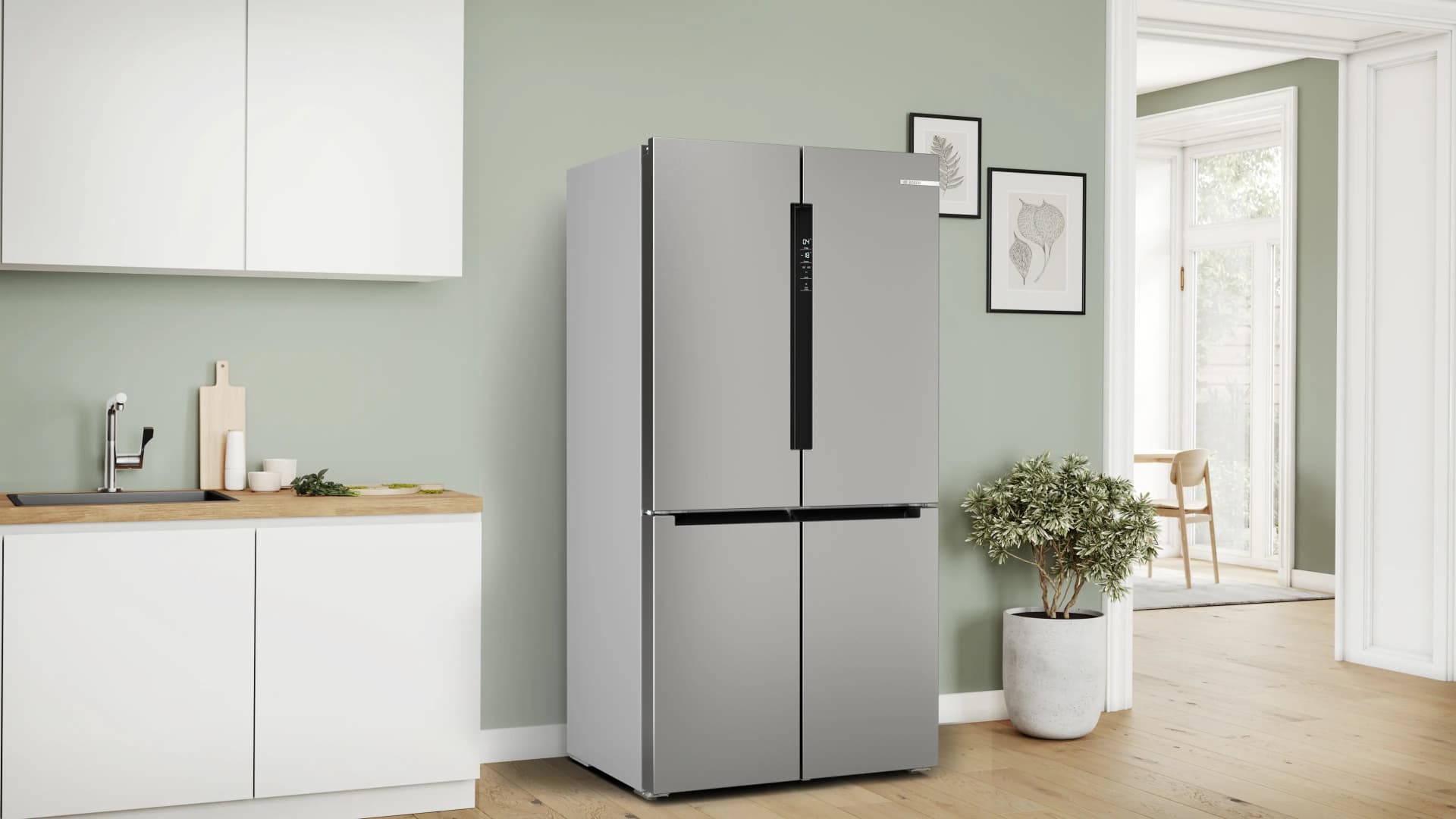
The best Bosch fridge model is the one that matches your household size, kitchen layout and food-storage habits. A bottom-freezer fridge-freezer suits many homes because fresh food stays easier to reach, while a fridge-only unit can make sense if you already have a separate freezer. For larger families or bulk shoppers, compare wider or higher-capacity Bosch models before buying.
Is a Bosch refrigerator energy efficient?
Many Bosch refrigerators are designed with energy efficiency in mind, but you should compare the energy label and annual kWh consumption on the specific model. Fridges run day and night, so small efficiency differences can matter over several years. Also check door seals, temperature control and whether the fridge has the capacity you need without being oversized.
How much space should I leave around a Bosch fridge?
For most freestanding fridges, leave enough ventilation space around the appliance so heat can escape properly. Bosch notes that selected PerfectFit freestanding models can be placed flush into a niche, while other models need clearance around them for cooling. Always check the installation manual for the exact Bosch fridge model before cabinetry is finalised.
Should I choose a fridge-freezer or a fridge-only Bosch refrigerator?
Choose a fridge-freezer if you need one appliance for fresh and frozen food. Choose a fridge-only model if you already have a separate freezer or want maximum fresh-food storage. A fridge-only unit can be practical for large families, entertainers or homes that buy fresh groceries often and keep frozen storage elsewhere.
Help Article: Bosch Refrigerator Buying Checklist
Short-form guide | 4 min read | Category: Product Help → Kitchen Appliances
A Bosch refrigerator can be a strong choice for a South African kitchen, but the right model depends on more than the brand name. Before choosing, check the size, layout, energy use and installation requirements.
1. Measure the kitchen space
Measure the width, height and depth of the fridge space. Also check door swing, nearby cupboards, island clearance and whether the fridge can be pulled out for cleaning or service access.
If you are planning new cabinetry, check the Bosch model’s installation guide before the kitchen is built. Some freestanding PerfectFit models are designed to sit flush in a niche, while other fridge models need ventilation clearance around the appliance.
2. Choose the right fridge type
| Fridge type | Best for | What to check |
|---|---|---|
| Fridge-freezer | Most everyday households | Freezer position, total capacity and shelf layout |
| Bottom-freezer fridge | Families using fresh food often | Easy fridge access at eye level |
| Fridge-only model | Homes with a separate freezer | Maximum fresh-food space |
| Larger/wider fridge | Families, bulk shoppers and entertainers | Kitchen width, door clearance and running cost |
| Built-in fridge | Integrated kitchens | Cabinet ventilation and exact niche dimensions |
For many homes, a bottom-freezer model is practical because the fridge section is used more often than the freezer. If you already have a chest freezer or upright freezer, a fridge-only Bosch model may be a better use of kitchen space.
3. Match capacity to your household
Capacity should match how you shop and cook. A small household that shops often may not need a large fridge. A family that buys groceries in bulk, keeps lunchbox items, stores fresh produce and entertains over weekends will need more usable space.
Use this as a practical guide:
| Household need | Capacity direction |
|---|---|
| Single person or couple | Compact to medium fridge capacity |
| Small family | Medium fridge-freezer with flexible shelves |
| Larger family | Larger fridge-freezer or wider model |
| Bulk shopping | Bigger fresh-food zone and freezer drawers |
| Separate freezer already owned | Fridge-only model may make sense |
Do not choose only by litres. Shelf layout, drawer size, door storage and freezer access can make two fridges with similar capacity feel very different in daily use.
4. Compare energy use
Fridges run continuously, so energy use matters. Check the energy label, annual kWh consumption and efficiency rating on the model specification. For prepaid electricity homes, this is especially important because fridge running costs are visible in everyday usage.
A lower upfront price is not always better if the fridge uses more electricity over time. Also avoid choosing a fridge that is much larger than you need, because unused cooled space can still add to running cost.
5. Check placement and heat exposure
Avoid placing a fridge next to an oven, stove, dishwasher, sunny window or any strong heat source where possible. Heat around the fridge makes the appliance work harder to maintain temperature.
If the layout cannot be changed, follow Bosch’s installation guidance for insulation, spacing and ventilation. Good placement protects efficiency and helps the appliance perform properly.
6. Look for practical features
Useful Bosch refrigerator features may include No Frost, flexible shelves, larger freezer drawers, humidity-controlled fresh-food drawers, strong internal lighting, inverter technology, smart connectivity on selected models and a finish that suits your kitchen.
Choose features you will actually use. A family may value freezer drawer space and fresh-produce storage, while an apartment owner may care more about compact dimensions and energy use.
7. Confirm support and availability
Before buying, confirm that the model is available, that delivery can be arranged for your area, and that support or spare parts are available through the correct channels. Keep the product manual and proof of purchase after installation.
Related: Browse Bosch appliances | Browse kitchen appliances | Kitchen appliance brand guide