


Portable Aircons for Small Spaces
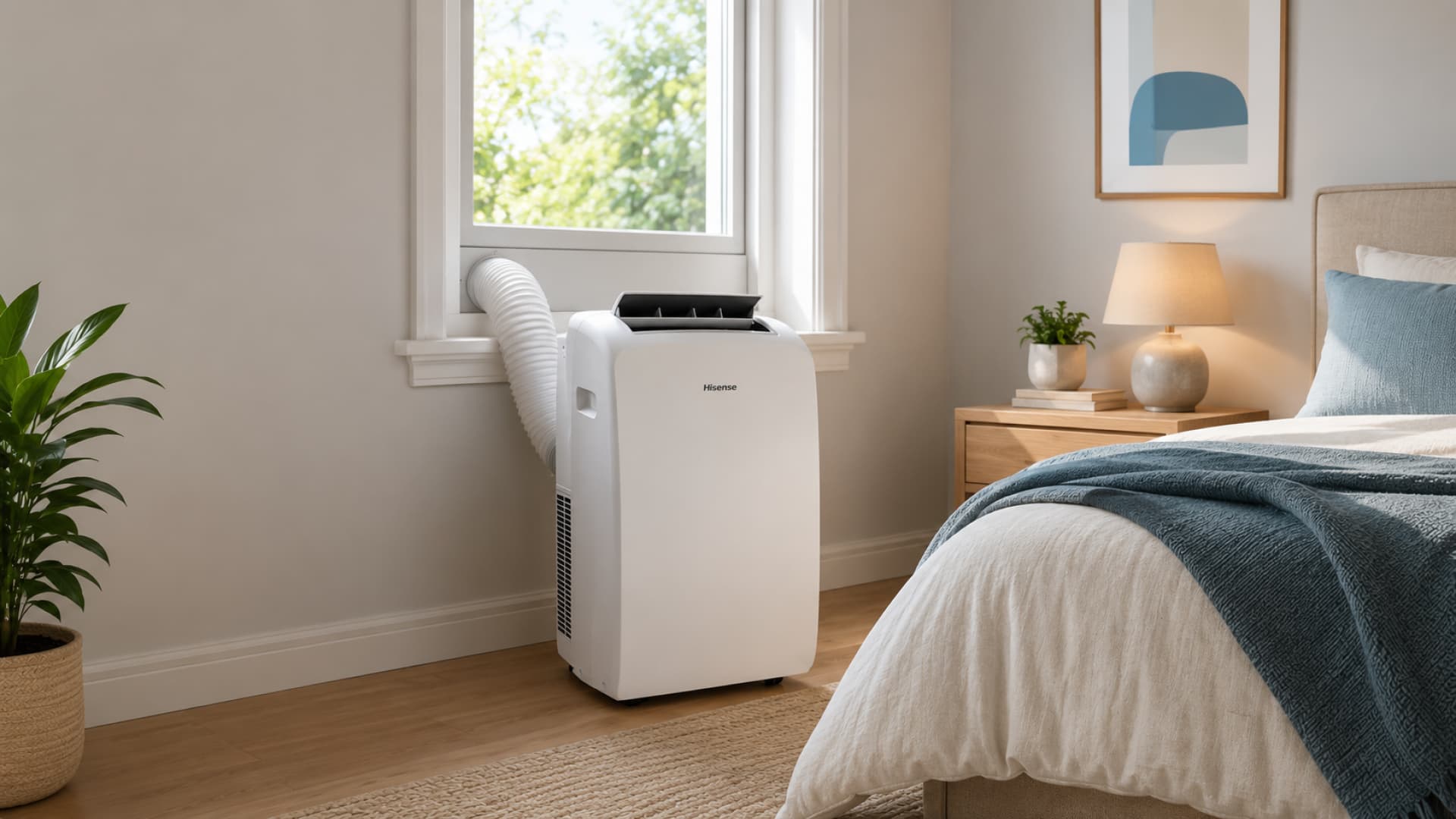
Portable Aircons for Small Spaces
A portable aircon can be a smart choice when you need cooling in a small room, rental, flat, home office or temporary living space where a fixed wall-split aircon is not practical.
It is not the best solution for every room, though. Portable aircons are flexible and easy to move, but they still need proper venting, enough floor space, and realistic expectations around noise, efficiency and room size.
Quick Answer: When Does a Portable Aircon Make Sense?
A portable aircon makes sense when you need cooling for a smaller space and cannot, or do not want to, install a fixed aircon. This often applies to renters, students, temporary offices, spare rooms, small flats and rooms where landlord or building rules do not allow wall-mounted units.
A portable unit is usually worth considering when:
- You rent and cannot install a wall-split aircon.
- You need cooling in one small room at a time.
- You want a plug-in solution without permanent installation.
- You need temporary or seasonal cooling.
- You have a room where a wall-split installation is difficult or not approved.
- You want to move the unit between rooms occasionally.
The key word is small. Portable aircons work best in contained rooms where doors and windows can stay closed, apart from the required exhaust venting setup.
Portable Aircon Benefits
The biggest benefit of a portable aircon is flexibility. Unlike a wall-split unit, it does not need a permanent indoor and outdoor installation. You can position it where it is needed, connect the exhaust hose, plug it in, and cool the room.
1. Good for rentals and temporary spaces
Many renters are not allowed to drill walls, mount outdoor condensers or make permanent changes to the property. A portable aircon gives you a cooling option without asking for a full installation.
This makes it useful for:
- Flats and apartments
- Student rooms
- Rental homes
- Temporary office spaces
- Rooms where body corporate rules limit installation
- Short-term accommodation setups
You still need a suitable window, sliding door, wall vent or outlet point for the exhaust hose.
2. Useful for small rooms
Portable aircons are usually best suited to smaller rooms such as bedrooms, home offices, compact lounges and studies. In these spaces, a portable unit can be a practical way to cool the room without investing in a fixed system.
They are less suitable for large open-plan areas, rooms with high ceilings, or spaces that cannot be closed off. If the room is too large, the unit will run hard and may still struggle to cool effectively.
3. Moveable when used correctly
A portable aircon can be moved between rooms, which is useful if you only need cooling in one room at a time. For example, it may be used in a home office during the day and in a bedroom in the evening.
That said, it is not as effortless as moving a fan. You still need to move the exhaust hose and set up the window kit or outlet point each time. For daily use in one main room, a wall-split aircon may be more convenient.
4. Lower upfront commitment
A portable aircon normally has a lower setup commitment than a fixed wall-split system because it does not require the same permanent installation work. This can make it attractive when you need cooling quickly or are not ready to commit to a fixed unit.
The trade-off is that portable units are usually less efficient and noisier than wall-split aircons. They can still be the right choice, but the decision should be based on your room and usage pattern, not only the purchase price.
What to Check Before Buying a Portable Aircon
A portable aircon is still an air conditioner, so room size and setup matter. Buying the wrong size, or using it without proper venting, will lead to poor cooling and wasted electricity.
| Check | Why it matters |
|---|---|
| Room size | The unit must match the square metre area it needs to cool |
| Exhaust hose setup | Hot air must be vented outside the room |
| Window kit compatibility | The kit must suit your window, sliding door or vent point |
| Noise level | The compressor is inside the room, so noise is more noticeable |
| Drainage or water tank | Some models need occasional draining in humid conditions |
| Floor space | The unit needs space around it for airflow |
| Power point location | Avoid unsafe extension-lead setups |
| Filter access | Filters must be easy to clean during summer use |
The exhaust hose is especially important. A portable aircon removes heat from the room and sends that heat outside through the hose. If the hot air is not vented properly, the unit will fight against itself and the room will not cool properly.
Portable Aircon vs Wall-Split Aircon
Portable and wall-split aircons both cool rooms, but they are not equal solutions.
| Feature | Portable aircon | Wall-split aircon |
|---|---|---|
| Installation | Minimal permanent work | Professional installation required |
| Best for | Rentals, small rooms, temporary cooling | Daily cooling and heating in one fixed room |
| Noise | Usually louder inside the room | Usually quieter indoors |
| Efficiency | Usually lower than a wall-split | Usually better, especially inverter models |
| Flexibility | Can be moved with setup effort | Fixed in one room |
| Long-term value | Good for temporary use | Better for regular daily use |
Choose a portable aircon if flexibility and non-permanent setup matter most. Choose a wall-split aircon if the room is used every day and you want better comfort, quieter operation and stronger long-term efficiency.
Best Small Spaces for a Portable Aircon
Portable aircons are usually a good fit for small, contained spaces where you can close the door and vent hot air outside.
Good examples include:
- Small bedrooms
- Home offices
- Studies
- Compact lounges
- Rental flats
- Student rooms
- Temporary workspaces
- Guest rooms used occasionally
They are less suitable for:
- Large open-plan lounges
- Rooms with no suitable exhaust point
- Very sunny rooms with large glass doors
- Spaces where noise is a major concern
- Commercial spaces with high heat loads
- Rooms that need daily, long-hour cooling
For a large or frequently used space, a correctly sized wall-split inverter aircon is usually the stronger long-term choice.
How to Use a Portable Aircon Efficiently
A portable aircon will work better if the room is set up properly. The goal is to reduce the heat load so the unit does not have to work harder than necessary.
Use these practical habits:
- Close the room door while the unit runs.
- Keep curtains or blinds closed during strong afternoon sun.
- Seal the window kit as neatly as possible.
- Keep the exhaust hose as short and straight as the setup allows.
- Clean the filters regularly during active use.
- Do not set the temperature unnecessarily low.
- Pre-cool the room before the hottest part of the day if possible.
- Empty the water tank or check drainage if the model requires it.
Avoid expecting one portable unit to cool multiple open rooms. It will perform best when the cooled area is contained.
Internal Links
- Browse portable air conditioners
- Use the BTU Calculator
- How to buy the right aircon for your budget
- What size aircon do I need?
- How to save money on air conditioning this summer
FAQ: Portable Aircons for Small Rooms
What are the benefits of a portable air conditioner?
The main benefits of a portable air conditioner are flexibility, easier setup and suitability for spaces where fixed installation is not practical. It can be useful in rentals, flats, small bedrooms, home offices and temporary rooms. The trade-off is that portable units are usually noisier and less efficient than wall-split aircons.
Is a portable aircon good for a small room?
Yes, a portable aircon can be good for a small room if it is correctly sized and properly vented. The room should be able to close off from the rest of the home, and the exhaust hose must send hot air outside. If the room is too large, too sunny or open-plan, a portable unit may struggle.
What air conditioner is best for a small room?
The best air conditioner for a small room depends on whether permanent installation is possible. A wall-split aircon is usually better for daily use because it is quieter and more efficient. A portable aircon is better when you rent, need temporary cooling, or cannot install a fixed unit.
Is a portable inverter aircon worth it?
A portable inverter aircon can be worth it if you want smoother temperature control and the model is correctly matched to the room. Inverter technology may help with efficiency and comfort, but the unit still needs proper exhaust venting and realistic room sizing. For long daily use in one room, compare it against a wall-split inverter before deciding.
Help Article: Portable Aircons for Small Spaces
Short-form guide | 3 min read | Category: Product Help → Buying Guides
A portable aircon is best for small rooms where you need flexible cooling without permanent installation. It is a practical option for renters, flats, home offices, student rooms and spaces where a wall-split aircon is not allowed.
Step 1: Measure the room
Check the room size in square metres before buying. A portable aircon that is too small will run constantly and still leave the room uncomfortable.
Step 2: Confirm the exhaust setup
Portable aircons need to vent hot air outside through an exhaust hose. Check that your window, sliding door or wall vent can work with the supplied kit before ordering.
Step 3: Check noise expectations
The compressor is inside the room, so portable aircons are usually louder than wall-split units. This matters in bedrooms, nurseries and quiet home offices.
Step 4: Compare portable vs fixed cooling
Choose portable if you need flexibility or cannot install a fixed unit. Choose a wall-split if the room is used daily and you want quieter, more efficient long-term cooling.
Step 5: Use it in a closed room
Keep the door closed, seal the window kit properly, clean filters regularly and avoid very low temperature settings. A portable unit works best when cooling one contained room.
Related: Browse portable air conditioners | Use the BTU Calculator