


Choosing the Best SnoMaster Wine Cooler
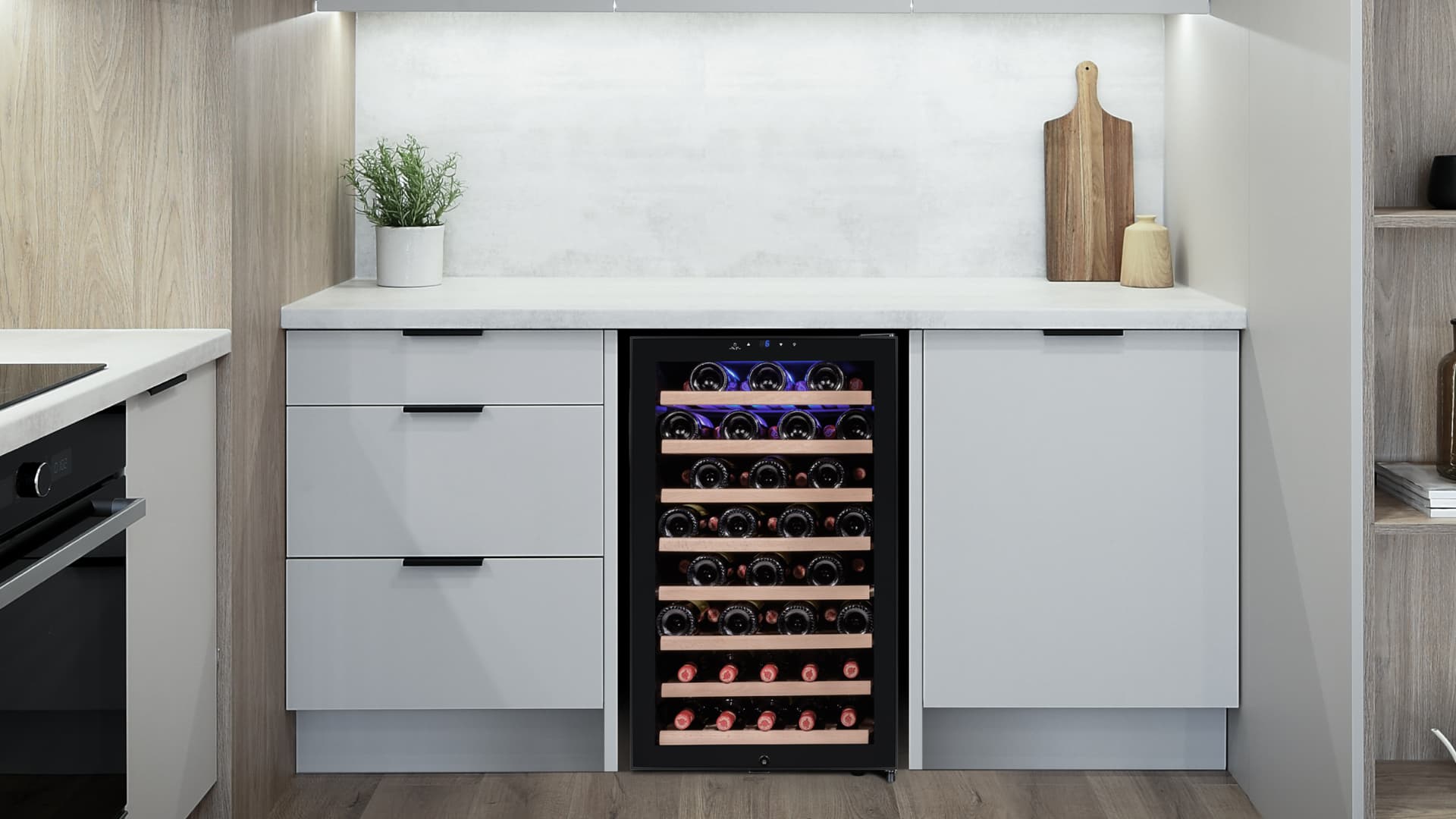
Choosing the Best SnoMaster Wine Cooler
A good wine cooler does more than keep bottles cold. It protects your wine from heat, light, vibration and temperature swings — all of which matter in South African homes where kitchens, entertainment areas and pool bars can get warm quickly.
This guide explains how to choose the right SnoMaster wine cooler for your space, your wine collection and the way you entertain.
Quick Answer: Which SnoMaster Wine Cooler Should You Choose?
Choose your SnoMaster wine cooler based on where it will stand, how many bottles you need to store, and whether you mainly drink red, white, sparkling wine or a mix of all three.
| Buyer type | Best starting point | Why it works |
|---|---|---|
| Casual wine drinker | Compact or under-counter wine cooler | Easy to fit into a kitchen, bar or apartment |
| Home entertainer | Larger single-door or double-door cooler | More space for wine, mixers and special-occasion bottles |
| Serious collector | Larger capacity or multiple coolers | Better separation by wine type and serving temperature |
| Designer kitchen or bar | Built-in or under-counter style | Neater finish with a more integrated look |
| Pool bar or entertainment area | Freestanding cooler with good ventilation | Easier placement where cabinetry is limited |
The right option is not always the biggest one. A compact, well-placed wine cooler is often better than an oversized unit that takes up space, runs half-empty and does not suit how you actually use your wine.
Where Will the Wine Cooler Go?
Start with location. A SnoMaster wine cooler can be a feature piece in a home bar, a practical under-counter appliance in a kitchen, or a discreet storage solution in a pantry or entertainment room.
For kitchens, check the available width, height and ventilation requirements before you buy. Under-counter models look clean, but they need to fit the cabinet opening properly and must have enough airflow around the unit.
For pool bars and entertainment areas, think about heat and sunlight. A wine cooler should not sit in direct afternoon sun, right next to a braai, or in a poorly ventilated corner. Even a good cooler has to work harder if the surrounding area is constantly hot.
For a dedicated wine room or cellar-style setup, consider whether you want one larger unit or more than one cooler. Separate units can make sense if you want to store different wine types at different temperatures.
What Size Wine Cooler Do You Need?
The best size depends on the kind of wine buyer you are.
If you keep a few favourite bottles at home, a compact under-counter wine cooler may be enough. If you entertain regularly, buy mixed cases, or keep bottles for longer, choose more storage than your current collection needs. Most wine collections grow once the storage is available.
Use this simple guide:
| Collection size | Practical recommendation |
|---|---|
| 6–20 bottles | Compact or under-counter unit |
| 20–50 bottles | Medium wine cooler |
| 50+ bottles | Large wine cooler or multiple-zone setup |
| Mixed wine + mixers | Larger cooler or separate beverage cooler |
Avoid choosing only by bottle count. Champagne and sparkling wine bottles are wider than standard wine bottles, and some shelves may hold fewer bottles if you store mixed shapes.
Single-Zone or Dual-Zone?
A single-zone wine cooler keeps the full cabinet at one temperature. This is ideal if you mainly store one type of wine or use the cooler for short-term serving rather than long-term ageing.
A dual-zone wine cooler lets you keep two temperature areas in one unit. This is useful if you drink both red and white wine, or if you want one section for ready-to-serve bottles and another for longer storage.
As a broad serving guide:
| Wine type | Typical serving range |
|---|---|
| Sparkling wine | 5–8°C |
| White wine | 7–12°C |
| Rosé | 8–12°C |
| Red wine | 12–18°C |
These ranges are indicative. Personal preference matters, especially in warmer South African climates where wine left on a counter can warm up quickly.
Features Worth Looking For
SnoMaster wine coolers are popular because they combine display value with practical cooling. The source article highlights low vibration, quiet operation, attractive finishes, anti-fogging glass and internal LED lighting as key selection factors.
When comparing models, prioritise these features:
- Low-vibration cooling: Helps avoid disturbing sediment in stored wine.
- Internal LED lighting: Lets you display bottles without harsh heat-producing light.
- UV-protected glass: Helps protect wine from light exposure.
- Anti-fogging glass: Useful in humid areas or entertainment spaces where doors open often.
- Adjustable shelving: Gives more flexibility for different bottle shapes.
- Quiet operation: Important for open-plan kitchens, dining rooms and lounges.
- Good ventilation design: Helps the cooler run efficiently and protects the compressor.
Always confirm the exact feature list on the specific model before ordering, because finishes, zones, capacity and warranty terms can vary.
SnoMaster Wine Cooler vs Beverage Cooler
A wine cooler is designed for wine storage and serving. A beverage cooler is designed for cans, water, mixers, soft drinks and general entertaining.
If you mainly store wine, choose a wine cooler. If you need one appliance for tonics, sodas, beers and party drinks, a beverage cooler may be more practical. If you entertain often, the best setup may be a wine cooler for bottles and a separate beverage cooler for mixers and everyday drinks.
Before You Buy: Final Checklist
Before choosing a SnoMaster wine cooler, check:
- Where it will stand
- The available width, height and depth
- Whether it needs to be built in or freestanding
- How many bottles you realistically need to store
- Whether you need single-zone or dual-zone cooling
- Whether the area gets direct sunlight or heat
- Bottle shapes you usually buy
- Noise sensitivity in the room
- Current warranty terms for the specific model
- Whether a beverage cooler would better suit part of your use case
If you are choosing for a kitchen renovation, bar build or wine room, confirm dimensions before final cabinetry is made. It is much easier to plan the appliance opening correctly upfront than to adjust joinery afterwards.
Internal Links
- SnoMaster cooling solutions guide
- Browse SnoMaster products
- Browse kitchen appliances
- Submit a product enquiry
FAQ: SnoMaster Wine Coolers in South Africa
What is the best SnoMaster wine cooler for home use?
The best SnoMaster wine cooler for home use is the one that fits your available space, bottle count and serving habits. A compact under-counter model suits casual wine drinkers and modern kitchens, while a larger freestanding or double-door unit is better for regular entertainers. If you store both red and white wine, consider a dual-zone model.
Is a SnoMaster wine cooler the same as a wine fridge?
Yes, in everyday South African usage, “wine cooler” and “wine fridge” usually refer to the same type of appliance. The important difference is between a wine cooler and a normal household fridge. A wine cooler is designed to hold wine at a more suitable and stable temperature, while a normal fridge is generally colder and opened more often.
What temperature should a wine cooler be set to?
A wine cooler is usually set somewhere between 5°C and 18°C, depending on the wine type and whether you are storing or serving. Sparkling wine is usually served colder, white and rosé sit in the middle, and red wine is usually kept warmer than white wine. Dual-zone models are useful when you want to store different wine types in one cooler.
Can I put a wine cooler in a kitchen or bar area?
Yes, a wine cooler can work well in a kitchen, bar, butler’s pantry or entertainment area if it has the correct ventilation and is kept away from direct heat. Avoid placing it next to ovens, braais, hot windows or poorly ventilated corners. If it is going under-counter, check the model’s installation requirements before building cabinetry around it.